ERBIL, Kurdistan Region - The implementation of the Automated System for Customs Data (ASYCUDA) at the Kurdistan Region’s border crossings could double customs revenues, Baghdad’s customs chief told Rudaw on Thursday, adding that Iraq has fully adopted the system, which is set to be rolled out in Kurdistan in the coming months.
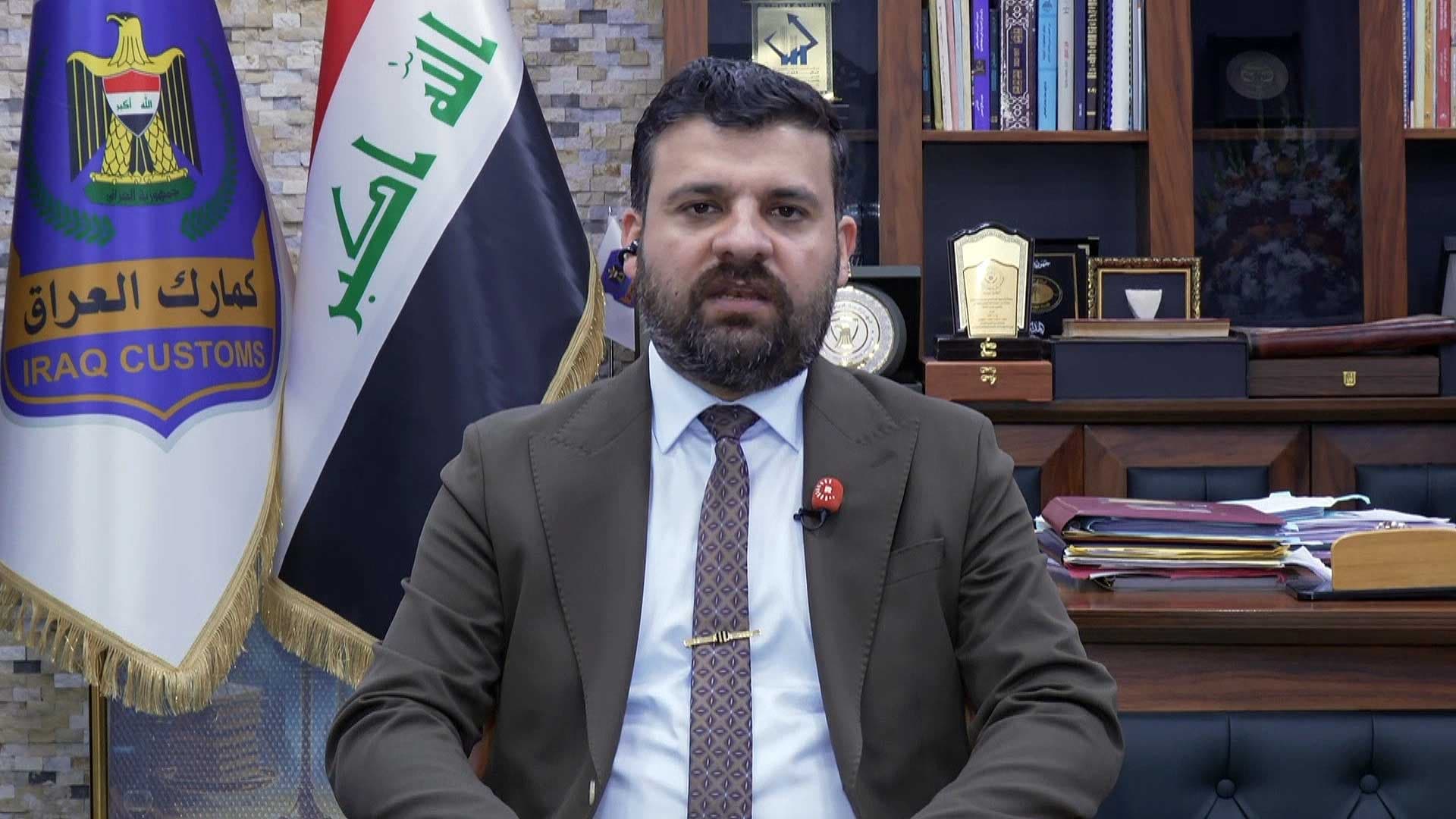
“Since January 1, 2025, the ASYCUDA system has been fully implemented at all federal crossings,” said Thamer Qasim Dawood, head of Iraq’s General Customs Authority, noting that all 25 of the country’s land, sea, and air crossings are now operating under the system.
He added that the broader reform effort has already shown strong results nationwide, with “revenue exceeding 1.5 trillion dinars [about $1.5 billion] in the first quarter of this year - a 60 percent increase compared to last year.”
Dawood further noted that “within the next two to three months, the practical implementation of the system will begin at the Kurdistan Region’s border crossings,” explaining that “this will not only unify procedures [between Erbil and Baghdad], but we believe it will at least double the Kurdistan Region’s customs revenue.”
ASYCUDA, developed by the United Nations Conference on Trade and Development (UNCTAD), is an automated customs management system used in more than 100 countries. Iraq has been implementing it as part of broader reforms to digitize trade procedures and reduce human interference in customs operations.
Under the system, traders must pre-declare goods and obtain approval before importing, while also gaining access to US dollars at the official Central Bank of Iraq exchange rate of 1,320 Iraqi dinars per US dollar, which is intended to reduce reliance on parallel market rates.
According to Dawood, Iraq’s customs modernization effort is “designed not only to curb smuggling and fraud but also to streamline trade procedures and strengthen state revenues,” including those of the Kurdistan Region.
“This system reduces human intervention, eliminates fraud, and provides transparency for decision-makers. Merchants no longer need to resort to intermediaries; they can process their transactions from their own offices,” he said.
Moreover, the Iraqi customs’ chief noted that digitization has already had a measurable impact on revenue and transparency, noting that customs revenues have increased significantly since its rollout.
The application system for the Kurdistan Region’s crossings however, has raised concerns among regional authorities, who fear that handing the reins of its commercial imports to Baghdad could undermine Erbil's control over its own border crossings.
Kurdish authorities have also previously said the newly introduced system restricts traders’ access to US dollars at the official rate unless federal taxes are paid in advance.
Regarding ongoing coordination between Baghdad and Erbil over the system’s implementation in the Kurdistan Region, Dawood said “discussions are now in their final stages” and that technical meetings with the Region’s customs authorities are expected to conclude “next week with a final meeting to set the roadmap for implementation.”
As for the future structure of customs administration in the Kurdistan Region, Dawood said the Region’s employees will be trained and “become part of the Iraqi national teams currently responsible for ASYCUDA.”
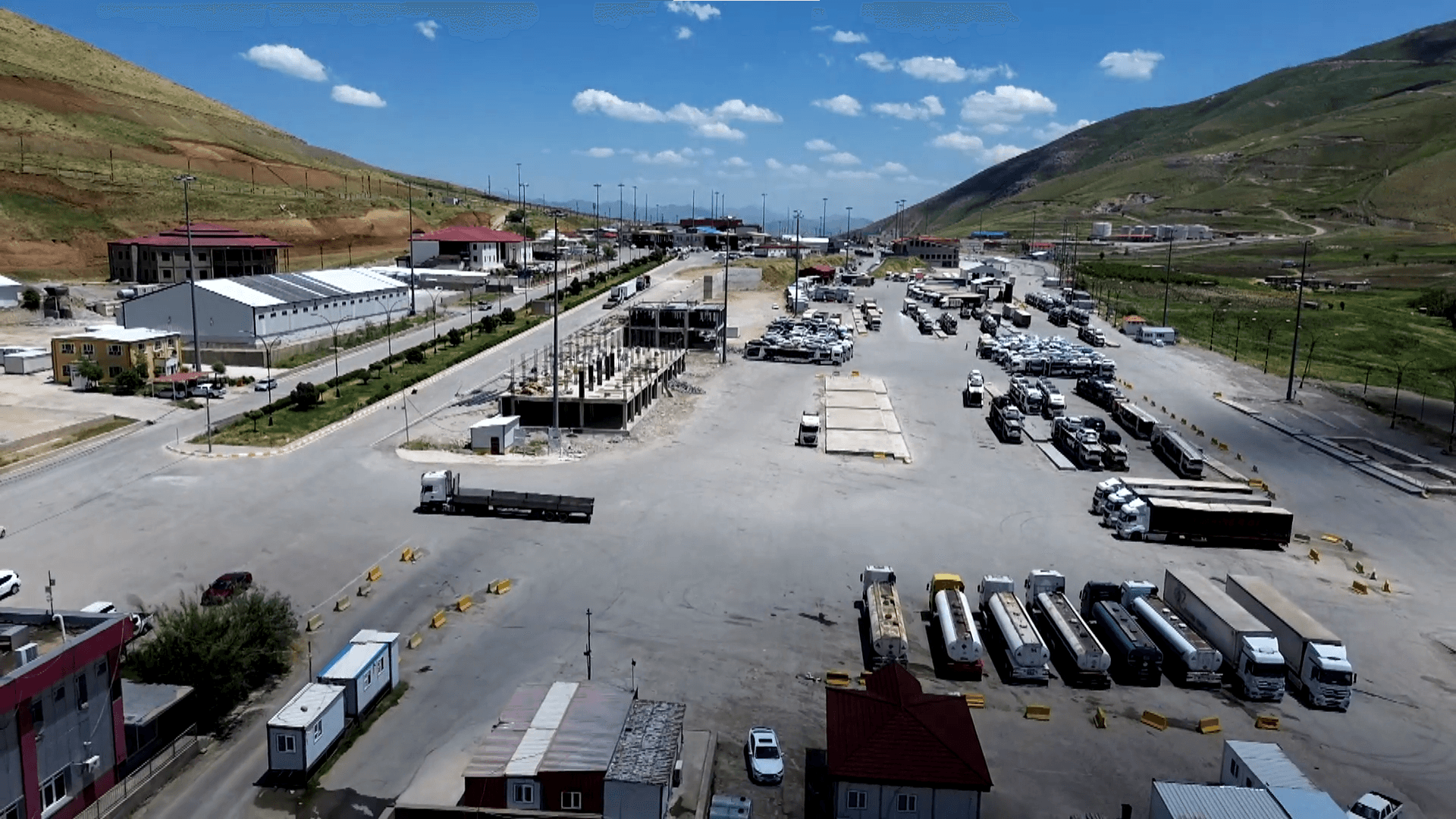
He further dismissed recent speculations that Baghdad plans to replace the Region’s Ibrahim Khalil border crossing with other entry points as “completely inaccurate,” stressing that Kurdistan Region crossings remain essential to Iraq’s trade system.