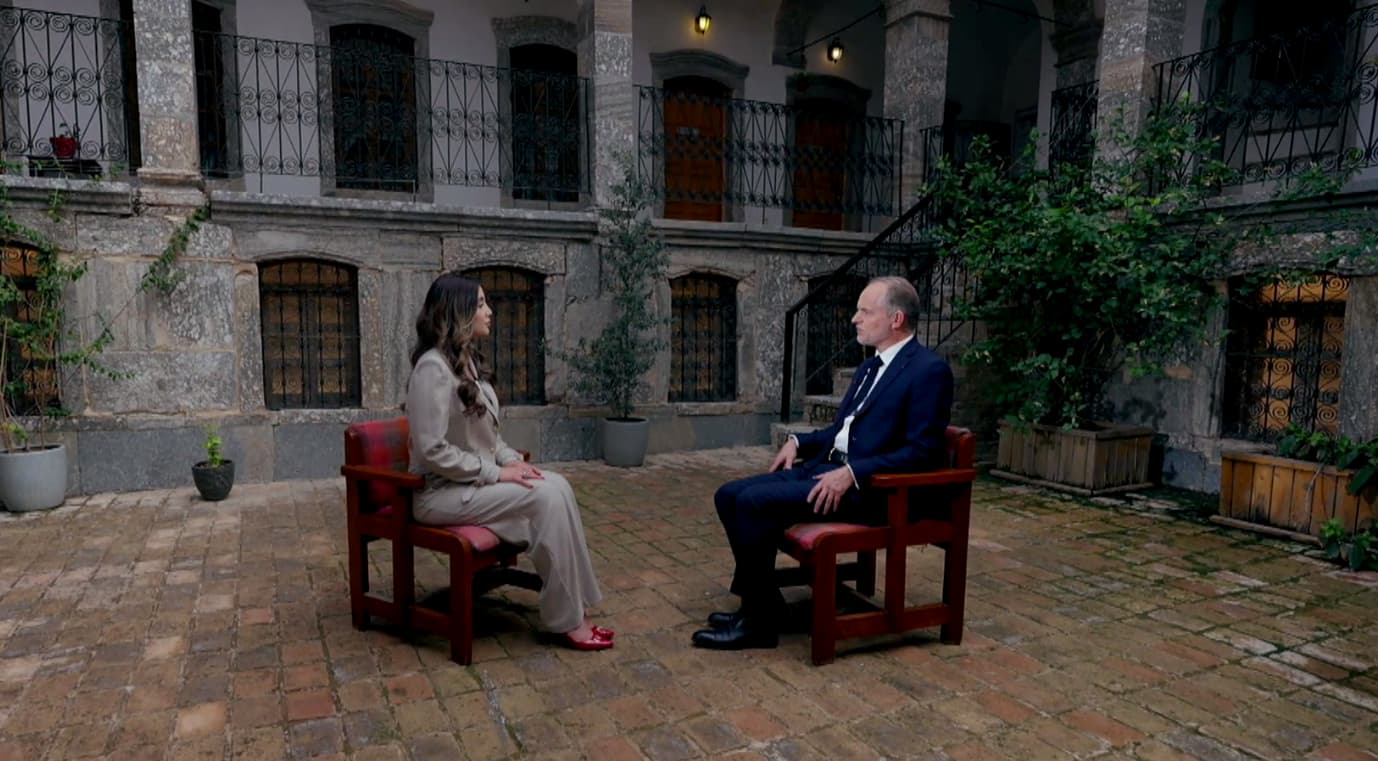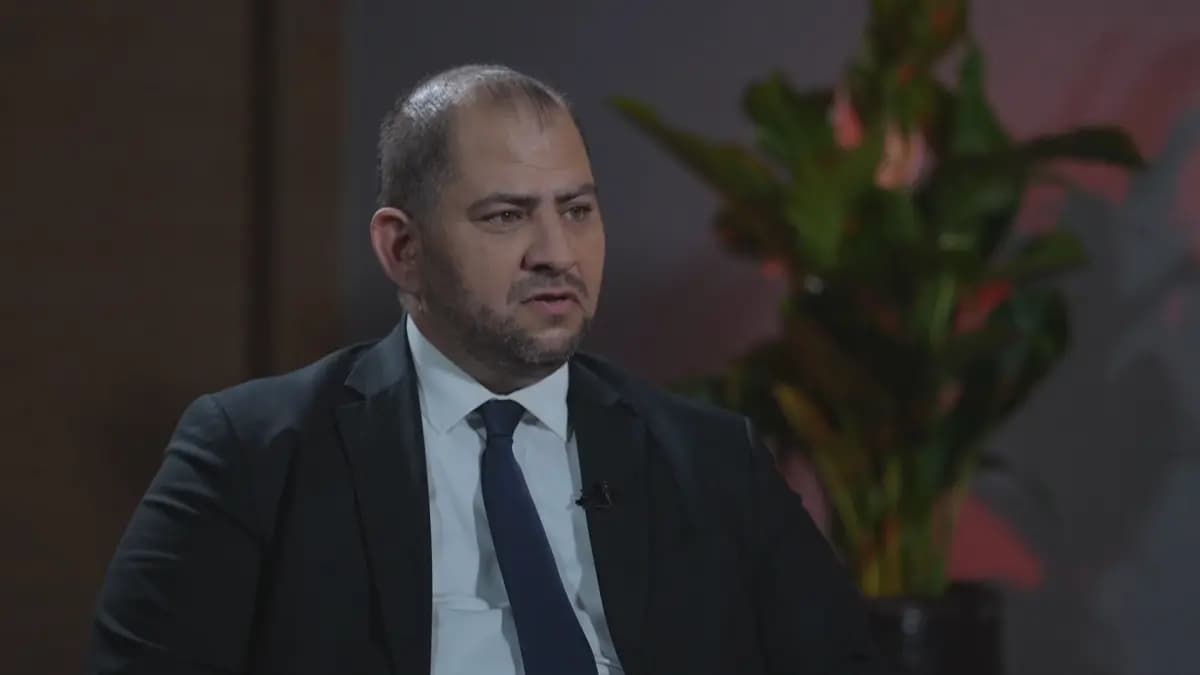

ERBIL, Kurdistan Region - A growing consensus is emerging among Syrians in favor of decentralized governance, with a strong central government and greater powers for local administrations, the head of a Syrian research center told Rudaw earlier this month, stressing that the country's future political system must reflect the needs of its diverse communities.
“There is a Syrian consensus, not only in our dialogues but also in many studies and in what the government is saying, that the system will be decentralized,” Ammar Kahf, head of the Omran Center for Strategic Studies, told Rudaw's Nalin Hassan on October 14.
The Omran Center for Strategic Studies describes itself as “an independent think tank and public policy research center established in 2013 and headquartered in Damascus.”
His remarks come as Syria navigates its political transition following the fall of Bashar al-Assad's government on December 8, 2024, with Kurdish rights and the distribution of power remaining key issues.
Kahf called for “a strong capital” responsible for security and foreign affairs, alongside “strong local administrations” with clearly defined powers.
His center has held discussions in Qamishli, Aleppo and other Syrian cities to explore governance models.
“There is no single, ready-made solution that suits Syria,” he said, stressing that Syrians want decisions affecting their daily lives made locally.
“Should the capital decide where my school should be, what language I should study in and what curriculum should be taught?” Kahf asked, suggesting that education could combine centralized curricula with local flexibility over language.
Kurdish-language education remains contentious in northeast Syria (Rojava), where Kurdish has been used for instruction since 2012.
In August, Damascus introduced rules limiting Kurdish-language classes to three hours per week, raising concerns over Kurdish-language schooling.
“There must ultimately be a balanced, middle-ground solution,” Kahf said.
Kahf described Kurds as an indigenous part of Syrian society, blaming the former Baathist regime for denying them linguistic, cultural and citizenship rights.
“Syrian society has no problem with the Kurds. Kurds are not foreigners; they are a historical and indigenous component of this country,” he said.
He called for constitutional guarantees to protect Kurdish rights, stressing that rebuilding trust between communities was equally important.
“Laws and constitutions are only the skeleton,” he said. “What matters is rebuilding trust and relationships between people and communities.”