ERBIL, Kurdistan Region - One in three children in Iraq lack access to safe drinking water, while climate change is intensifying pressure on the country's already strained water resources, UNICEF's representative in Iraq told Rudaw on Friday.
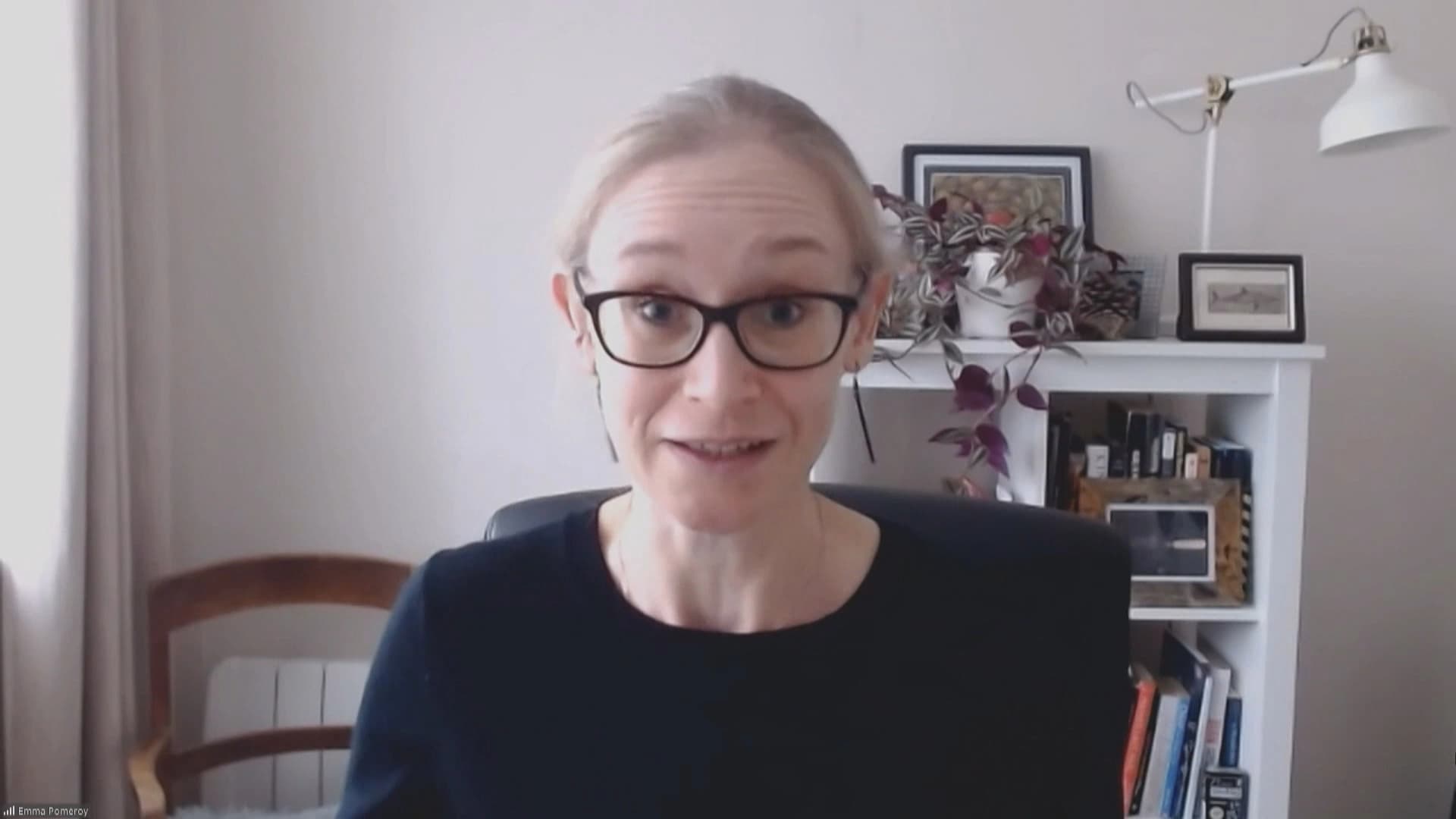
“Iraq is extremely affected, particularly on the water side. The quality and the quantity of water is largely affected,” Christian Skoog told Rudaw's Nma Nabaz in an interview on Friday, describing climate change as one of the country's most pressing challenges for children.
Skoog said UNICEF works with the Iraqi government to improve water management through rainwater harvesting, filtration techniques and measures to reduce water loss, rather than investing in large-scale infrastructure.
He identified southern Iraqi provinces as particularly affected, citing higher temperatures and growing water shortages. He also said that "half of the households in the country lack safe sanitation."
Iraq is among the countries most vulnerable to climate change, facing worsening droughts, desertification, water shortages and increasingly severe dust storms.
However, Iraq’s stored water reserves have increased more than sevenfold compared with the same period last year, as heavy rainfall has replenished dams and boosted river flows, Iraqi prime minister’s water affairs adviser Torhan al-Mufti told Rudaw last month.
“This year, the situation is different; the volume of movable or productive water we have is about seven times what it was last year, so the water situation this year is comfortable,” Mufti said at the time.
The UNICEF representative also highlighted serious concerns over children's mental health, disclosing that almost one in five schoolchildren aged 13 to 17 reported attempting suicide in the 12 months preceding a 2025 survey conducted jointly with other UN agencies.
“It's very disturbing,” Skoog said, emphasizing the need to acknowledge psychological problems and equip teachers, healthcare workers, social workers and parents with the knowledge to identify children in need of support.
He said the available findings did not provide a breakdown of the affected children by socioeconomic background or displacement status. A new household survey, conducted with the Iraqi government, is expected to provide further information.
Violence against children is another major concern. According to figures cited by Skoog, 80 percent of children were exposed to some form of violent discipline at home, while 37 percent of caregivers acknowledged using violent disciplinary practices.
“Violence affects children in very many ways. It affects them physically, sometimes, of course, but also mentally,” he said, warning that abuse can cause trauma and have long-term consequences for children's ability to learn and socialize.
On education, Skoog said Iraq has managed to bring back approximately half of the 275,000 to 295,000 children previously identified as having dropped out of school, through efforts to identify and address the obstacles preventing them from returning.
He also said 500,000 children were registered through the country's digital civil registration system last year, helping them obtain documents required to access education, healthcare and other services.
Meanwhile, Iraq's immunization coverage remains relatively strong, with 96 percent of children receiving the first dose of core vaccines in the latest available figures, although coverage drops by around 12 percentage points for subsequent doses.