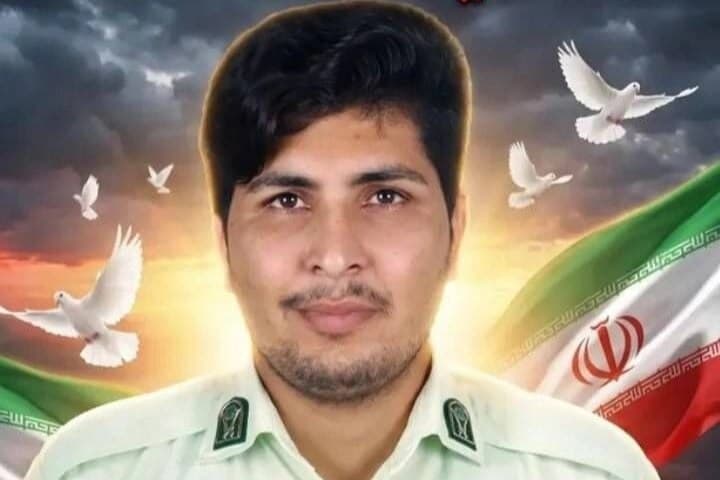

ERBIL, Kurdistan Region - An Iranian police officer was shot dead by unidentified gunmen outside his home in the restive Sistan Baluchestan province on Tuesday morning, state media reported, amid a string of deadly attacks on security forces in the restive southeastern province.
The officer, identified as Hojat Vafakardeh, was shot while leaving his home in the province’s Saravan country, according to the Islamic Revolutionary Guard Corps (IRGC)-affiliated Tasnim news agency. Police said they were searching for the attackers.
Iran's police news agency, FARAJA, confirmed Tuesday's shooting, calling it a "blind terrorist act," accusing individuals linked to the United States and Israel of carrying out the attack. Tasnim provided no evidence supporting the allegation.
The killing comes as Iranian security forces have faced a growing number of attacks across the predominantly Sunni Baluchi province, which borders Pakistan and Afghanistan. Several police and IRGC personnel have been killed in recent weeks, while authorities have carried out operations against armed groups in the region.
The clashes in the region come at a sensitive time as tensions have risen once again between Tehran on the one hand and Washington and Tel Aviv on the other, with media reporting preparations for another wave of intense strikes against the beleaguered country.
Haalvsh, a human rights group monitoring developments in Iran's Baluchi areas, confirmed Vafakardeh's death, identifying him as a member of Saravan's criminal investigation police. The watchdog said the exact circumstances of the shooting and the identity of the attackers remained unclear.
Tehran has accused the US and Israel of backing armed groups operating in the Baluchi and Kurdish frontier areas.
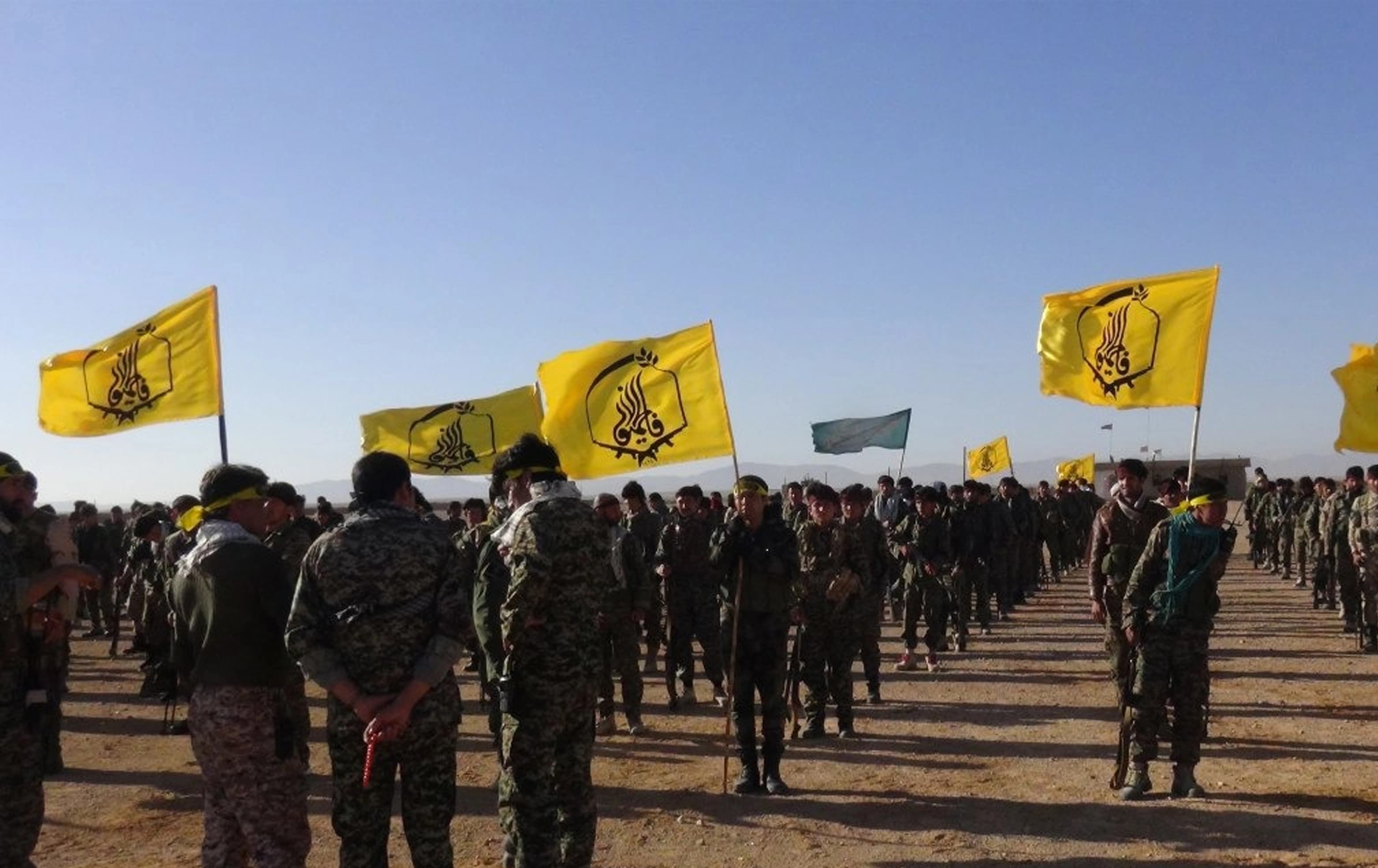
In response, authorities have deployed a large number of troops to these regions. The IRGC has mobilized tens of thousands of local militias to fight the militants groups in case of a ground invasion.
The attack follows the killing of retired police colonel Ali Sayadi in Iranshahr two weeks ago. Haalvsh reported that armed men approached Sayadi in a Peugeot vehicle near his home, told two people sitting with him to move aside, and opened fire.
In late October, gunmen also attacked security facilities in Khash, targeting a police support unit headquarters and an adjacent police station. Haalvsh reported several possible casualties among security personnel, although the exact number could not be independently verified.
The attacks have continued despite repeated security operations. In early October, Iran's intelligence ministry said its forces had dismantled three armed cells in Sistan and Baluchestan, killing two suspected members and arresting 10 others. The ministry accused the groups of receiving training abroad before entering Iran to carry out attacks.
Iranian authorities have repeatedly blamed armed groups operating along the border with Pakistan for attacks on security personnel. Tasnim has also criticized Islamabad over what it describes as insufficient action against militants allegedly operating from Pakistani territory.
Jaish al-Adl, an armed Sunni Baluchi group, has carried out attacks against Iranian police and IRGC forces for years. The group says it fights for greater political, religious and economic rights for the Baluchi population. It is part of a coalition of Baluchi armed groups formed in December 2025 to coordinate their activities against Tehran.
Sistan and Baluchestan remains one of Iran's poorest provinces, with longstanding grievances over discrimination, economic hardship and restrictions affecting the predominantly Sunni Baluchi population.
In October, UN Special Rapporteur Mai Sato warned that economic marginalization, land confiscation and environmental degradation had deepened poverty in minority regions. She also raised concerns that many Baluch residents lack identity documents, restricting access to education and other services.
The unrest is not limited to Iran's southeastern border. Iranian forces have also been fighting Kurdish armed opposition groups in western Iran, known to Kurds as Rojhelat. The IRGC has deployed artillery and drones against positions in the Shaho mountain range, while Kurdish groups have reported attacks on Iranian military bases.