
ERBIL, Kurdistan Region - A Kurdish prisoner who has been detained since 2010 is suffering from sharply deteriorating health while the Tehran Prosecutor continues to block his transfer outside prison for urgent medical treatment, defying repeated clinical recommendations, a rights group reported on Friday.
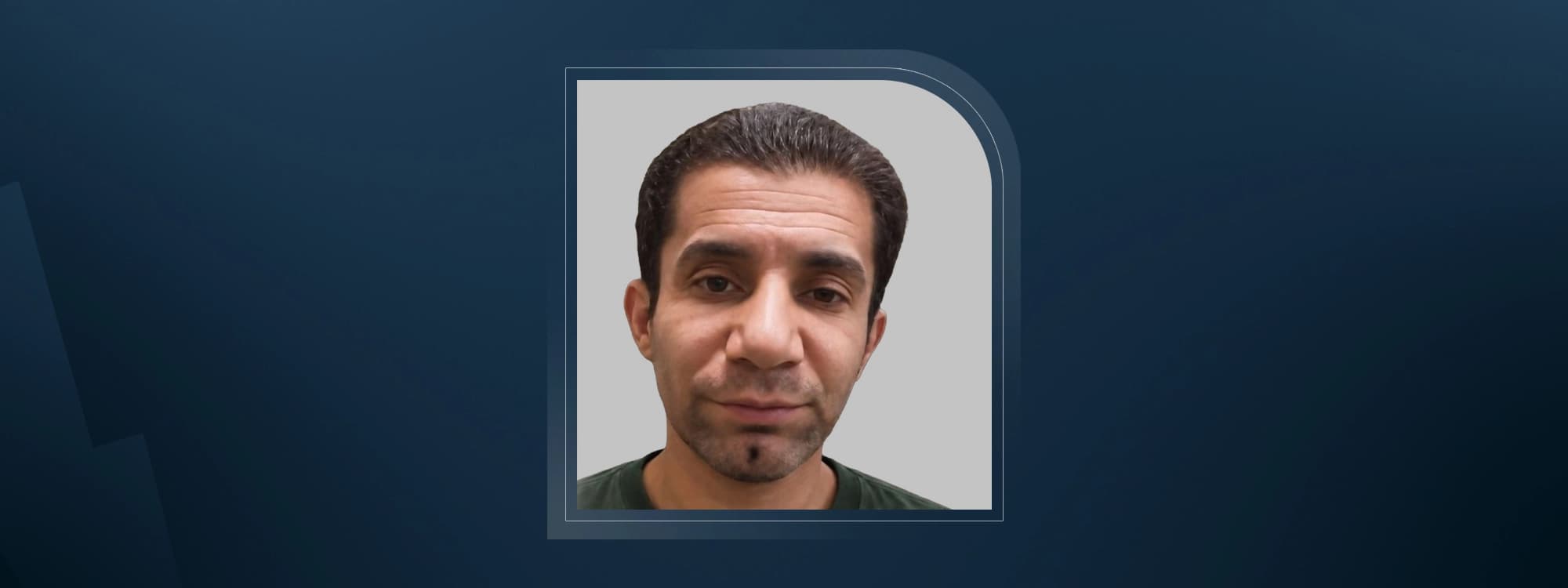
Motaleb Ahmadian from western Iranian (Rojhelat) city Baneh is currently held in Evin Prison, according to the Human Rights Activists News Agency (HRANA).
The Legal Medicine Organization, a program operating under Tehran’s judiciary branch, has determined that Ahmadian is medically unfit to remain incarcerated and is in need of treatment outside the prison.
According to information received by HRANA, Ahmadian underwent several surgeries in June 2026 following a malignant tumour that had spread in his abdomen. Suffering damage at the time and subsequent complications meant that further intervention bears too much risk, despite the fact it has become a necessity.
Ahmadian’s transfer through medical furlough or a suspension of his sentence have thus far been denied by the Tehran Prosecutor.
Ahmadian was originally detained in 2010 on charges of moharebeh, enmity against God, and HRANA further reports this was because he had a membership to an opposition group. He was sentenced to 30 years of imprisonment in exile.
Since then, Ahmadian has suffered a series of illnesses and medical problems which HRANA has recorded.
In an open letter published between December 2019 and January 2020, Ahmadian disclosed that three of his vertebrae were fractured during interrogation under torture, warning that continued treatment delays were causing irreversible harm.
“Unfortunately, prison authorities refused to cover the costs of the surgery or the required pre- and post-operative medications,” he wrote at the time, explaining that he had initially covered the medical expenses himself before being forced to abandon care due to financial exhaustion.
Iran faces mounting international scrutiny over its human rights record following deadly crackdowns on nationwide anti-government protests that began in December 2025.
A United Nations fact-finding mission reported in September that Iranian authorities had committed widespread violations, including arbitrary detentions, torture, and mass killings, warning that certain acts amount to crimes against humanity. UN independent experts have also raised alarms over the escalating persecution of ethnic minorities, particularly Kurds and Baluchis, via arbitrary arrests, enforced disappearances, and executions.