ERBIL, Kurdistan Region - Iran said any future negotiations with the US would depend on five preconditions, while Washington has demanded major concessions from Tehran in return for talks, according to details published by Iran’s state media on Sunday, saying that even if the conditions are met, it would not guarantee an end to what they describe as US and Israeli aggression.
According to Fars News Agency, an affiliate of Iran’s Islamic Revolutionary Guard Corps (IRGC), the US demands include transferring Iran’s near-weapon-grade uranium stockpile of more than 400 kilograms to the US, keeping “only one set of Iran’s nuclear facilities” active, and conditioning the cessation of hostilities on all fronts during negotiations, in addition to keeping the US unaccountable to compensate for Iran’s war damages and releasing an unknown fraction of Tehran’s frozen assets.
“Even if these conditions are met by Iran, the threat of aggression from the United States and the Zionist regime [Israel] will remain in place,” reported the agency.
This was the third US proposal since the outbreak of the war on February 28, when the US and Israel launched a large-scale aerial campaign against Iran, targeting more than 17,000 sites across the country, before Washington and Tehran halted the hostilities through a Pakistani-brokered ceasefire on April 8.
Iran responded by launching thousands of projectiles against Israel as well as US bases and interests in the region.
Citing “experts,” the agency said that the US proposal is aimed at “achieving objectives that this country was unable to accomplish during the war.”
In response, Tehran has asked for bringing an end to the war “on all fronts, especially in Lebanon,” lifting all “anti-Iranian” sanctions, release of all frozen assets, compensation for war damages, and “recognition of Iran’s sovereignty” over the Strait of Hormuz.
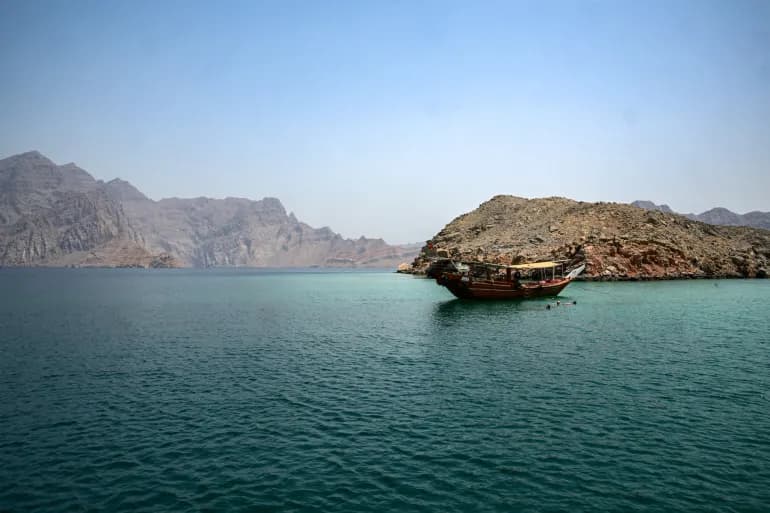
Alongside diplomatic efforts, Iran and the US have engaged in reciprocal maritime measures. Tehran has tightened controls on shipping through the Strait of Hormuz, while Washington initiated a maritime blockade on Iranian ports in mid-April.
Earlier this month, Axios reported the US and Iran were nearing an agreement on a one-page memorandum of understanding that could mark an end to their ongoing hostilities and establish a framework for broader nuclear talks.
The memorandum outlined a 30-day timeframe for peace while imposing a long-term moratorium on Iran’s nuclear enrichment capacities and relocating its enriched uranium stockpile, as well as removing naval restrictions in Hormuz.
In return, the US will release a portion of Iranian frozen assets, lift its blockade on Iranian ports, and withdraw certain economic sanctions.
Iran’s earlier version of the response was on May 11, to which the US President Donald Trump said, “I have just read the response from Iran’s so-called ‘Representatives.’ I don’t like it - TOTALLY UNACCEPTABLE!” he wrote on his Truth Social platform the day the response was delivered.
The day after, Mohammed Bagher Ghalibaf, Iran’s parliament speaker, said that their armed forces “are ready to deliver a decisive response to any aggression,” adding that “wrong strategies and wrong decisions will always lead to the wrong outcome, something the whole world has already learned.”