ERBIL, Kurdistan Region - US special envoy for Syria and Iraq, Thomas Barrack, arrived in Baghdad on Monday ahead of his meeting with the Kurdistan Region’s leaders in Erbil on Tuesday amid a political deadlock in the Kurdistan Regional Government (KRG).
“Today I will meet with Prime Minister Al-Zaidi to convey President Trump’s support for his government,” Barrack posted on X upon his arrival to Baghdad, stating that the meeting would include discussions about “our partnership on a new direction for a strong and mutually beneficial US-Iraq relationship.”
The envoy’s arrival in Iraq’s capital comes amid warming ties between Baghdad and Washington ahead of Iraqi Prime Minister Ali al-Zaidi’s scheduled visit to Washington in mid-July.
Meanwhile, Barrack’s visit to Erbil on Tuesday is set to include meetings with both Kurdistan Democratic Party (KDP) and Patriotic Union of Kurdistan (PUK) leaders to facilitate an end to the political deadlock in the KRG.
The convenings come as the Kurdistan Region continues to face a prolonged political stalemate, with parties still unable to form a new cabinet following the October 2024 parliamentary elections.
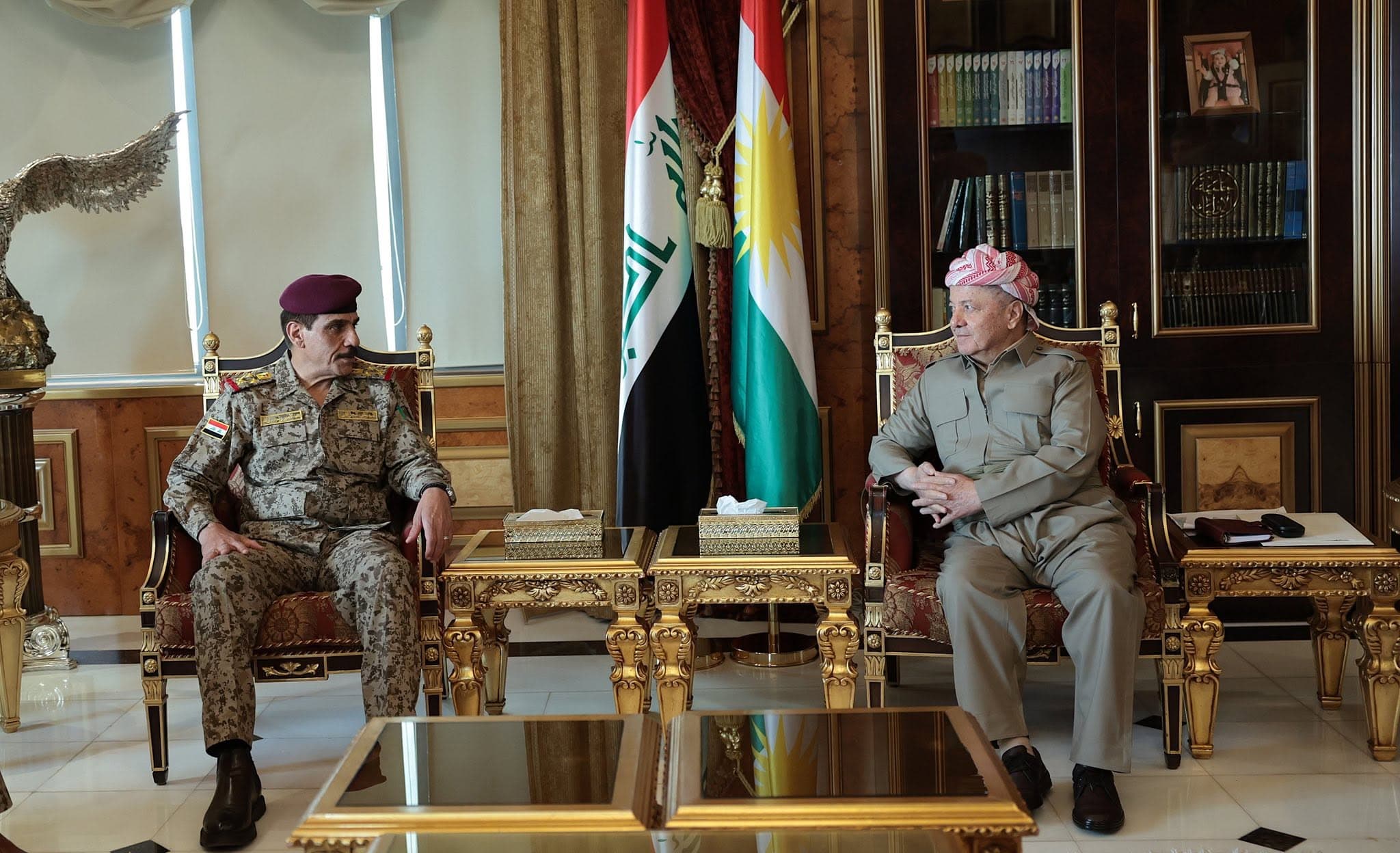
An informed source told Rudaw on Monday that Barrack will hold separate meetings with Kurdistan President Masoud Barzani, Kurdistan Region President Nechirvan Barzani, and Prime Minister of the Kurdistan Region Masrour Barzani.
Similarly, a source from the PUK also told Rudaw on Monday that "Tom Barrack will meet with the PUK leadership as well."
According to Rudaw’s sources, in addition to Iraq's internal affairs, Tom Barrack will discuss the meetings between the KDP and PUK, as well as efforts to form the tenth cabinet of the Kurdistan Regional Government within the Kurdish political leadership.
The Kurdistan Region has remained without a fully functioning new cabinet since elections, in which KDP won 39 seats and the PUK secured 23 in the 100-seat parliament. No party achieved a majority, leaving coalition negotiations stalled over disputes on governance structures and key ministerial posts.
Smaller parties, including the Kurdistan Islamic Union (KIU), New Generation Movement (NGM), and National Stance Movement (Halwest), hold additional seats that have further complicated coalition-building efforts.
Tensions have also increased in recent months over competing alliance strategies, including the PUK’s coordination with the opposition NGM, which has become a point of contention in ongoing negotiations over the formation of the next cabinet.