
ERBIL, Kurdistan Region - Iranian Ambassador to Baghdad Mohammed Kazem Al-e Sadegh claimed Monday that Iraq has agreed to either expel Iranian Kurdish opposition groups based in the Kurdistan Region from the country or hand them over to Tehran, following a joint security meeting in Baghdad.
"As part of security cooperation between the Islamic Republic of Iran and the Republic of Iraq, both sides agreed during a joint security meeting, which the Iranian delegation and the Iraqi national security advisor attended, on expelling separatist... groups from the Kurdistan Region or handing them over to Iran," Al-e Sadegh said in a post on X.
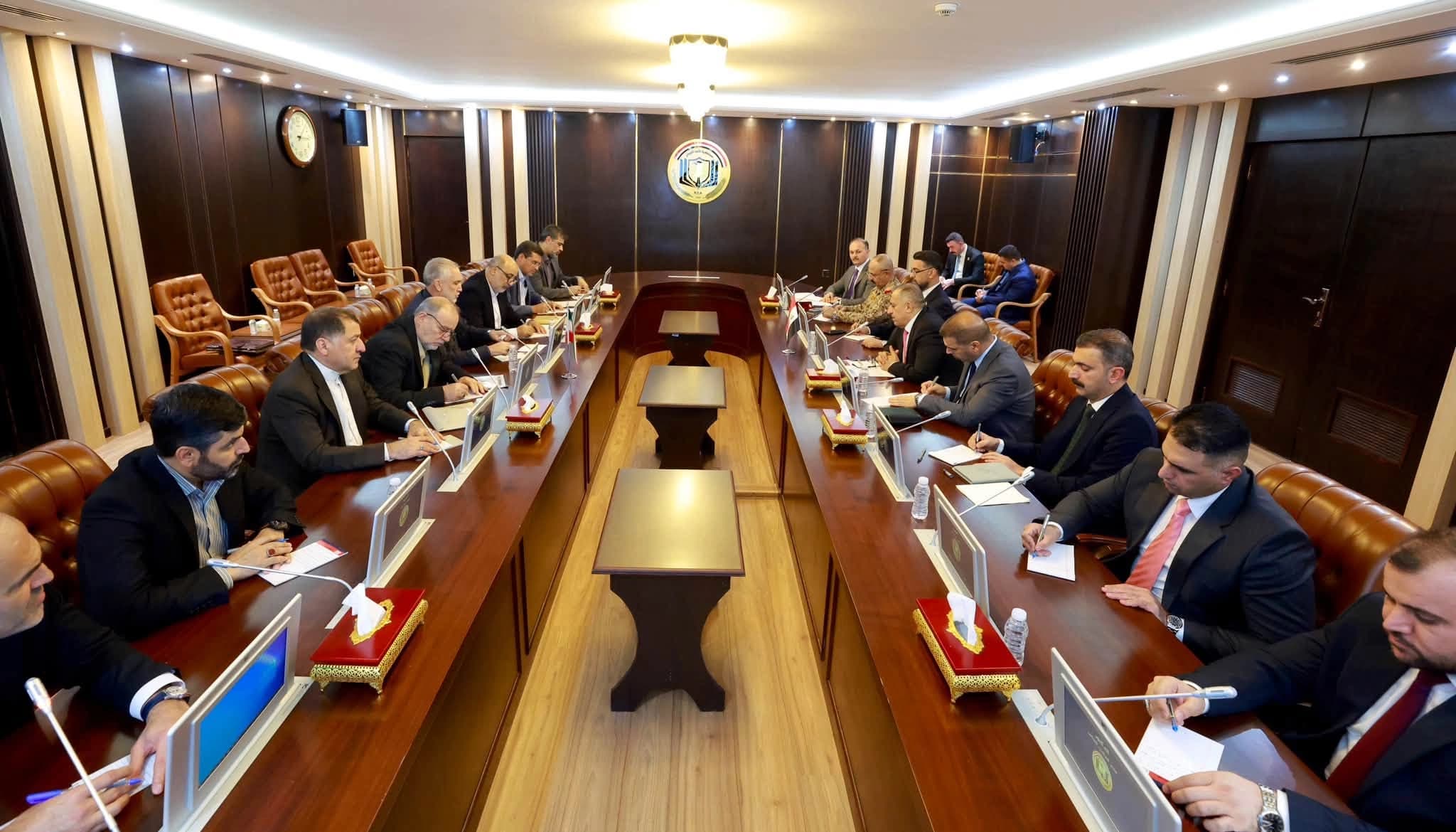
The remarks followed a Monday meeting of a joint committee overseeing the implementation of a security agreement between Baghdad and Tehran, chaired by Iraqi National Security Advisor Qasim al-Aboudi and attended by Iranian officials and a delegation from the Kurdistan Regional Government (KRG).
According to the Iraqi national security advisor's office, the meeting addressed outstanding issues identified in previous discussions and ways to strengthen security coordination between Baghdad, Erbil and Tehran.
"The objective is to strengthen cooperation and coordination mechanisms among the Federal Government, the Kurdistan Regional Government, and the Iranian side, ultimately reaching practical solutions that facilitate the implementation of the agreement's provisions and the achievement of its goals," the statement read.
Iraq's statement on Monday did not mention expelling the groups or handing their members over to Tehran.
The Iranian announcement comes amid growing Iranian missile and drone attacks on the Kurdistan Region, targeting the Kurdish opposition parties amid its ongoing tensions with the US, with US President Trump likely to renew operations against Iran as soon as before the midterm elections in November.
Iraq and Iran signed a border security agreement in March 2023, under which Baghdad committed to securing the shared border, disarming Iranian Kurdish opposition groups and relocating them away from areas bordering Iran.
The agreement followed repeated Iranian missile and drone attacks on the Kurdistan Region, including strikes in September 2022 that killed at least 16 people and wounded 50 others.
Tehran gave Baghdad until September 19, 2023, to implement the agreement, warning of further military action if its demands were not met.
On the deadline, Iraqi authorities announced that the groups had been disarmed and their border headquarters evacuated. The authorities said the members had been moved to designated areas, where arrangements were being made for them to be treated as refugees.
The groups, including the Kurdistan Democratic Party of Iran (KDPI), Komala, the Kurdistan Freedom Party (PAK), and the Free Life Party of Kurdistan (PJAK), have long maintained a presence in the Kurdistan Region. Tehran considers them threats to its national security and accuses them of carrying out or supporting activities against the Islamic Republic.
Last week, Aboudi told Rudaw's Nalin Hassan that Baghdad was committed to resolving the issue peacefully, revealing that representatives from Iraq, Iran and the Kurdistan Region would meet on Monday.
"We are committed to resolving the issue of the Iranian opposition and the four parties present in the [Kurdistan] Region through peaceful means," Aboudi said in the interview aired on October 13.
He said Baghdad had agreed to establish camps for members of the Kurdish opposition parties and their families away from the Iranian border, while the United Nations was working to process asylum applications for thousands of people.
According to the UN refugee agency (UNHCR), an estimated 10,000 to 30,000 Iranian Kurdish refugees and asylum seekers live in Iraq, most of them in the Kurdistan Region.
Aboudi also said he would raise the continuing Iranian attacks against the opposition groups during the meeting with Tehran.
"We will present this issue to them again and speak frankly that this matter must stop," he told Rudaw.
During his visit to Erbil on October 13, Aboudi also met Kurdistan Region President Nechirvan Barzani. The two discussed regional security developments and stressed the importance of continued coordination between Iraqi and Kurdish security institutions, according to the Kurdistan Region Presidency.
Despite the 2023 agreement and repeated assurances from Kurdish opposition groups that they would not use the Kurdistan Region to launch attacks against Iran, Tehran has continued striking their positions.
The attacks intensified following the outbreak of the US-Israeli war against Iran on February 28, with Tehran accusing Kurdish opposition groups of cooperating with foreign powers and planning attacks on Iranian territory.
Last week, a senior KDPI official told Rudaw that Iran had targeted the party 166 times since the conflict began. On October 12, two drones struck a KDPI camp in Erbil's Koya district, causing material damage but no casualties.
KDPI spokesperson Khalid Azizi has reiterated that the party would not use the Kurdistan Region as a base for military operations against Iran.
The Kurdistan Region has repeatedly stressed that its territory must not be used to threaten neighboring countries.