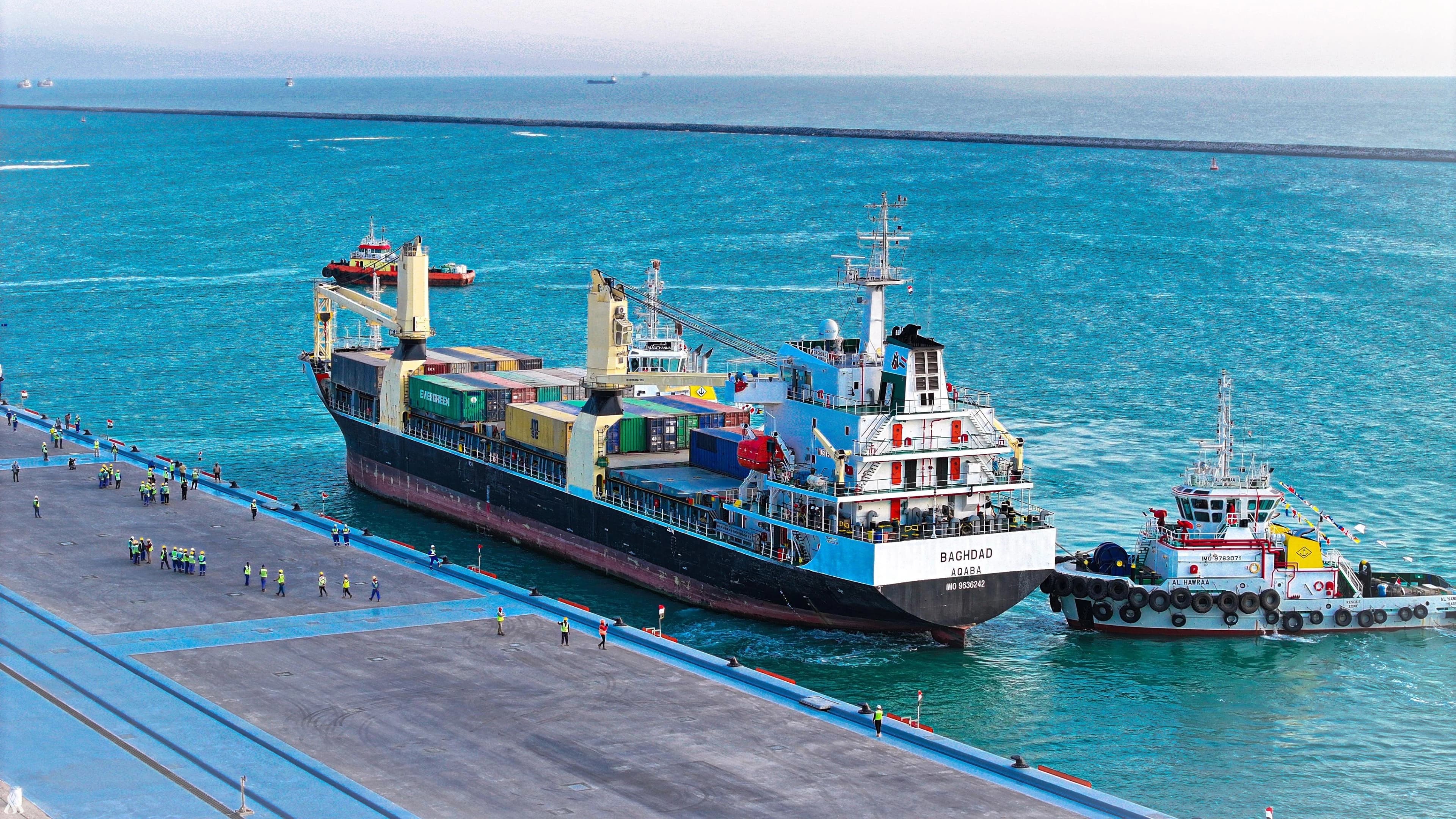

ERBIL, Kurdistan Region - The United Kingdom Maritime Trade Operations (UKMTO) said Wednesday it had received a report of an attack on an oil tanker near Iraq’s key southernmost Al Faw port, marking the fifth known attack in Iraqi territorial waters since the US-Iran war in late February. The report coincided with an earlier statement from Iranian Foreign Minister Abbas Araghchi to open several “special routes” for Iraqi vessels in the contentious Strait of Hormuz.
“The crew are reported safe, and no damage to the vessel or environmental impact was reported,” UKMTO said in a time-late report based on an incident on Tuesday.
This comes as Araghchi on Tuesday announced having designated “certain special routes for Iraqi ships to pass through,” while emphasizing that the Strait of Hormuz is “still closed” to maritime traffic.
Meanwhile, the UKMTO also reported another projectile earlier on Wednesday near the Omani coast while stating in its weekly report on Friday that it was “struggling to accurately report [the] true number of attacks with [the] majority of vessels attacked refusing to report to UKMTO,” citing constraints on reporting due to a lack of verification.
More than 28 attacks against tankers in the Strait of Hormuz and surrounding waterways have been reported since October 1, according to a maritime security assessment by the US-based Washington Institute.
Since the outbreak of the US-Iran war in late February, at least four other maritime drone and projectile attacks have been reported in Iraqi waters.
Two foreign-flagged fuel tankers were targeted and set ablaze near al-Faw port in mid-March, with Iraqi rescue vessels evacuating the crews. Days later, a drone struck radar systems at Iraq's Umm Qasr Naval Base in Basra, causing minor structural damage. In mid-July, another drone hit a commercial cargo vessel near an offshore oil terminal off southern Basra province. The most recent incident occurred in September.
The latest incident marks the fifth notable maritime attack recorded in Iraqi territorial waters since the war.
Iraq’s Al Faw port is located approximately 840 to 900 kilometers (about 450 to 480 nautical miles) from the western entrance of the Strait of Hormuz.
The Strait of Hormuz, a strategic waterway through which one-fifth of global supplies pass during peacetime, has emerged as a flashpoint between the US and Iran, serving as a focal point in negotiations amid a US-imposed blockade in effect since mid-July.
The US Central Command (CENTCOM) said Saturday that they have redirected 138 vessels leaving or entering Iranian southern ports while stressing in late August that the US Navy had escorted more than one billion barrels of oil through the waterway and that Iran “has exported zero oil from its shores” since the blockade.
Meanwhile, Iran has continued to fire drones and missiles at passing ships, claiming control over the Strait of Hormuz and demanding “permission” for passage.
"The Strait of Hormuz is still closed, and any ship attempting to pass through this waterway will face serious security problems," Araghchi said Tuesday.
To suspend its restrictions in the waterway, Iran has called for a total end of the conflict with the US, lifting the blockade, removing sanctions and unfreezing Iranian frozen funds.