
ERBIL, Kurdistan Region - Iraq's government said Tuesday that decisions to reopen border crossings must be based on technical assessments and the readiness of facilities, as Baghdad faces mounting pressure to reopen the Sheeb crossing with Iran following protests and threats of civil disobedience in the southeastern province of Maysan.
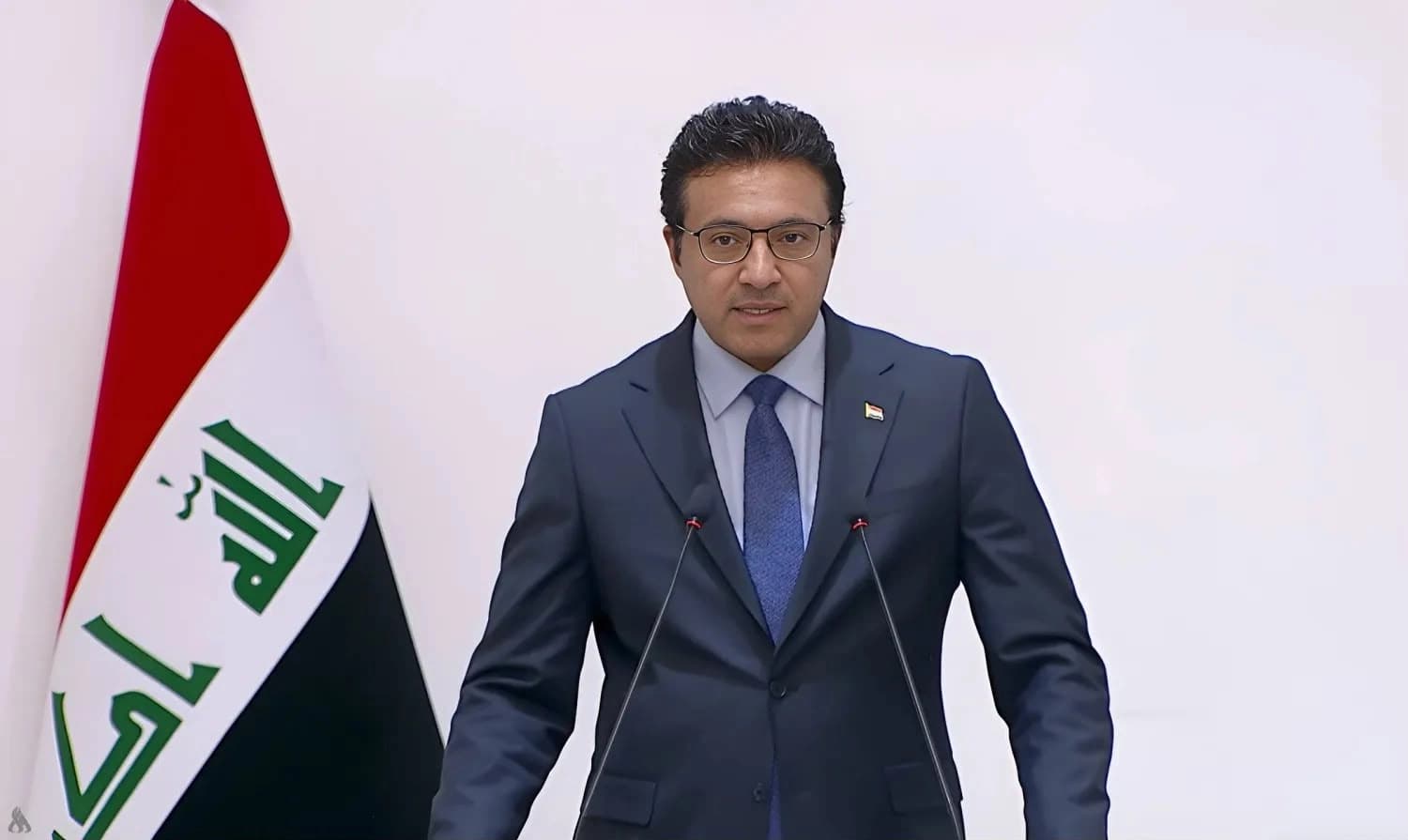
Government spokesperson Haidar al-Aboudi told the state-owned Iraqi News Agency (INA) that decisions to rehabilitate border crossings are “based on assessments by the Border Ports Authority, which identifies facilities requiring upgrades and modernization.”
“Border crossings are no longer merely checkpoints for routine procedures but play a significant role in international trade,” Aboudi said, saying there was need to improve their infrastructure and operational capabilities.
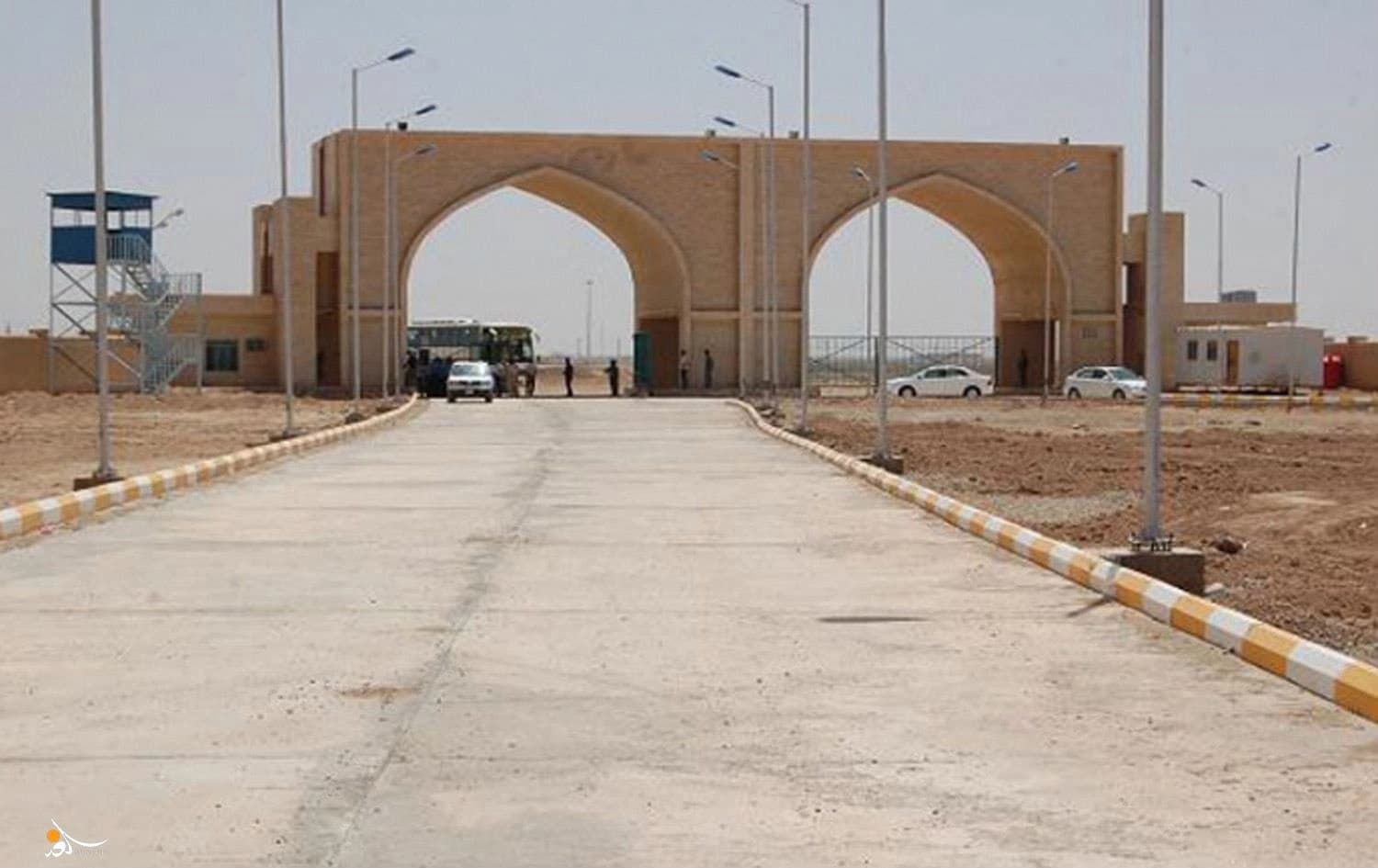
His remarks come amid a growing dispute over the closure of Sheeb, which Baghdad ordered shut last Wednesday, citing shortcomings in its technical and logistical readiness.
The closure has sparked protests among truck drivers and traders, while local officials warn that disruptions to commercial activity have driven up prices and harmed livelihoods in Maysan.
The dispute escalated Sunday when Maysan Provincial Council head Mustafa Daeer Mohammedawi threatened to declare civil disobedience and block major roads connecting the province to the rest of Iraq unless Baghdad reopened the crossing by Thursday.
On Monday, an Iraqi court issued an arrest warrant for Mohammedawi following a complaint from Prime Minister Ali al-Zaidi's office over the threats.
Regional tensions
Separately, Aboudi reiterated Iraq's commitment to remaining outside regional conflicts and preventing its territory from being used to attack neighboring countries.
"Iraq is committed to constitutional principles and will not be part of any axis of regional conflict," he told INA, stressing that Baghdad was working towards its own domestic security and economic stability.
"Iraqi territory will not be a passageway or a launching point for attacks against any neighboring country," he added.
The remarks come amid continuing regional tensions involving Iran, the United States and Israel, with Baghdad seeking to avoid becoming directly involved in the conflict that erupted in late February.
However, attacks originating from Iraqi territory have complicated those efforts.
In September, the Iraqi government confirmed that a drone attack on Saudi Arabia's East-West oil pipeline had been launched from Maysan province.
Saudi Arabia said the attack caused casualties and damage. Baghdad condemned it, dismissed the head of Maysan's operations command and ordered an investigation.
The investigation has yet to establish publicly who carried out the attack, and no arrests have been announced in connection with it.
Aboudi said the government was taking precautions against the economic and security consequences of regional tensions, with contingency plans being prepared "at the highest levels."
Iraqi National Security Advisor Qasim al-Araji said Tuesday that Zaidi's visits to the United States, Iran, Saudi Arabia and Jordan, along with a planned visit to Syria, were part of Baghdad's efforts to strengthen its role in regional mediation and contain crises.
In a statement on X, Araji said the diplomatic efforts reflected “Iraq's longstanding position of rejecting escalation and the expansion of conflicts while advocating dialogue and respect for state sovereignty.”
“The visits are aimed at strengthening Iraq's position and its role in promoting regional security and stability,” he said.