
ERBIL, Kurdistan Region - Uncertainty looms over the future of the conflict-ridden Yazidi heartland of Shingal (Sinjar) amid deepening political disputes between the Kurdistan Democratic Party (KDP) and the Patriotic Union of Kurdistan (PUK), with a parliamentary committee intervening to halt a new nomination process over the disputed status of a mayor appointed in 2024.
The Nineveh Provincial Council opened nominations for the long-contested position on October 18, attracting 10 candidates. However, the process was subsequently suspended after a parliamentary committee called for its immediate termination, arguing that the position was not legally vacant.
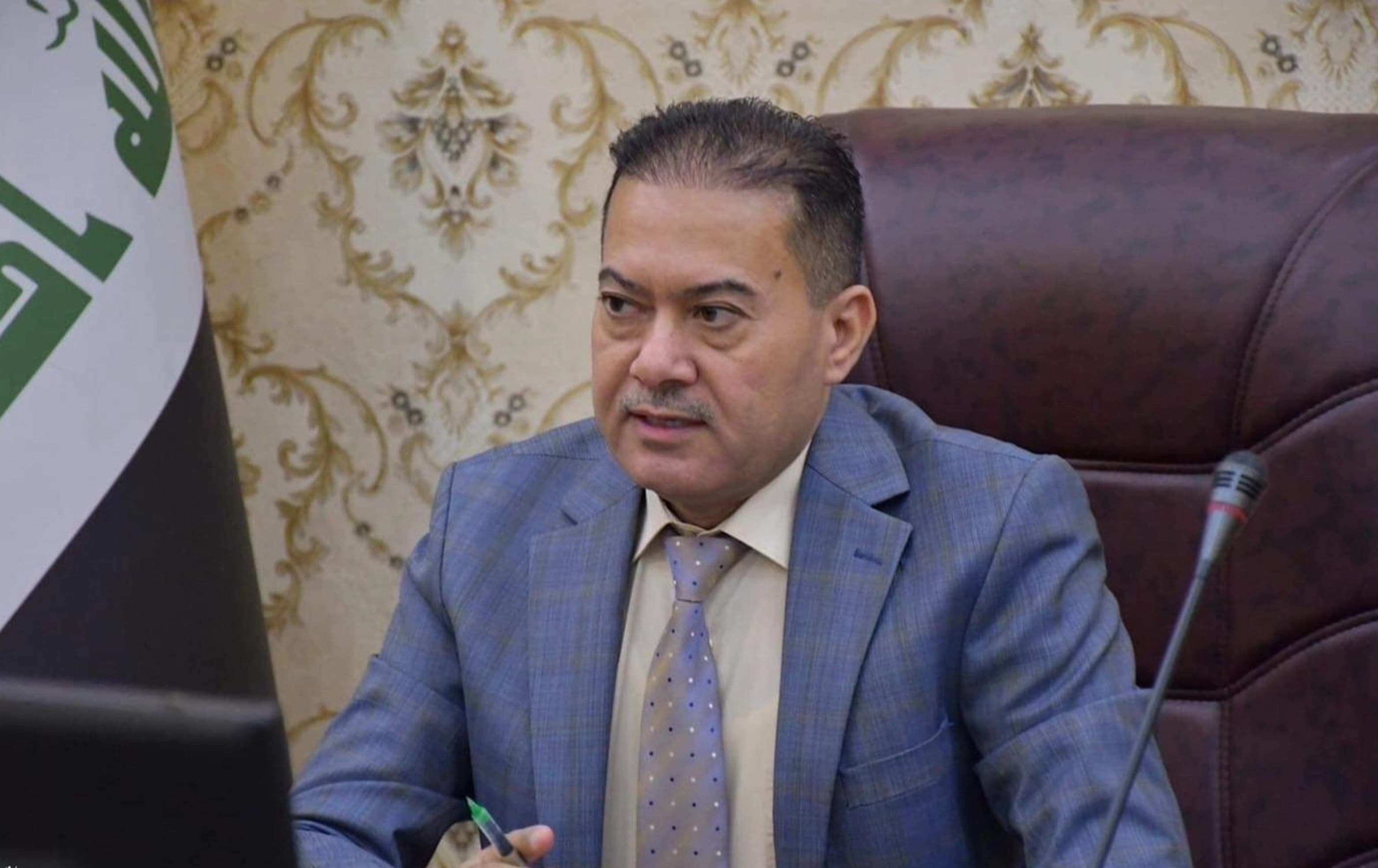
The dispute centers on Saido Khairi Ahmadi, who was elected mayor by the provincial council in July 2024 but has never formally assumed office. The PUK insists his appointment must be upheld, while the KDP rejects the vote and maintains that the mayorship is its electoral entitlement.
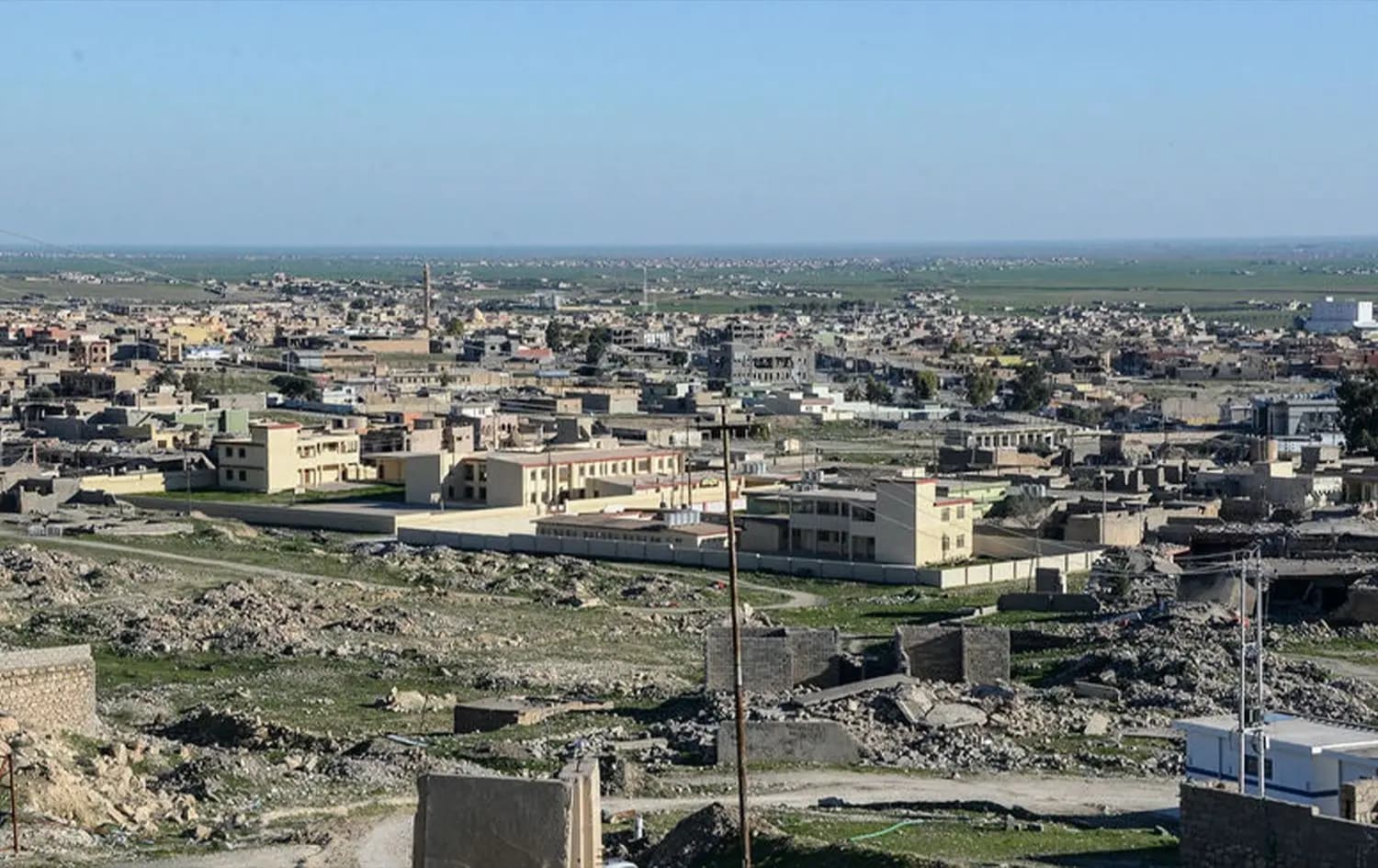
The deadlock reflects a broader struggle over political and administrative control of Shingal, a disputed district in Nineveh province that has remained fragmented since the Islamic State (ISIS) committed genocide against its Yazidi population in 2014. The appointment of a mayor is also a central provision of the 2020 Shingal Agreement between Baghdad and Erbil, which has remained largely unimplemented.
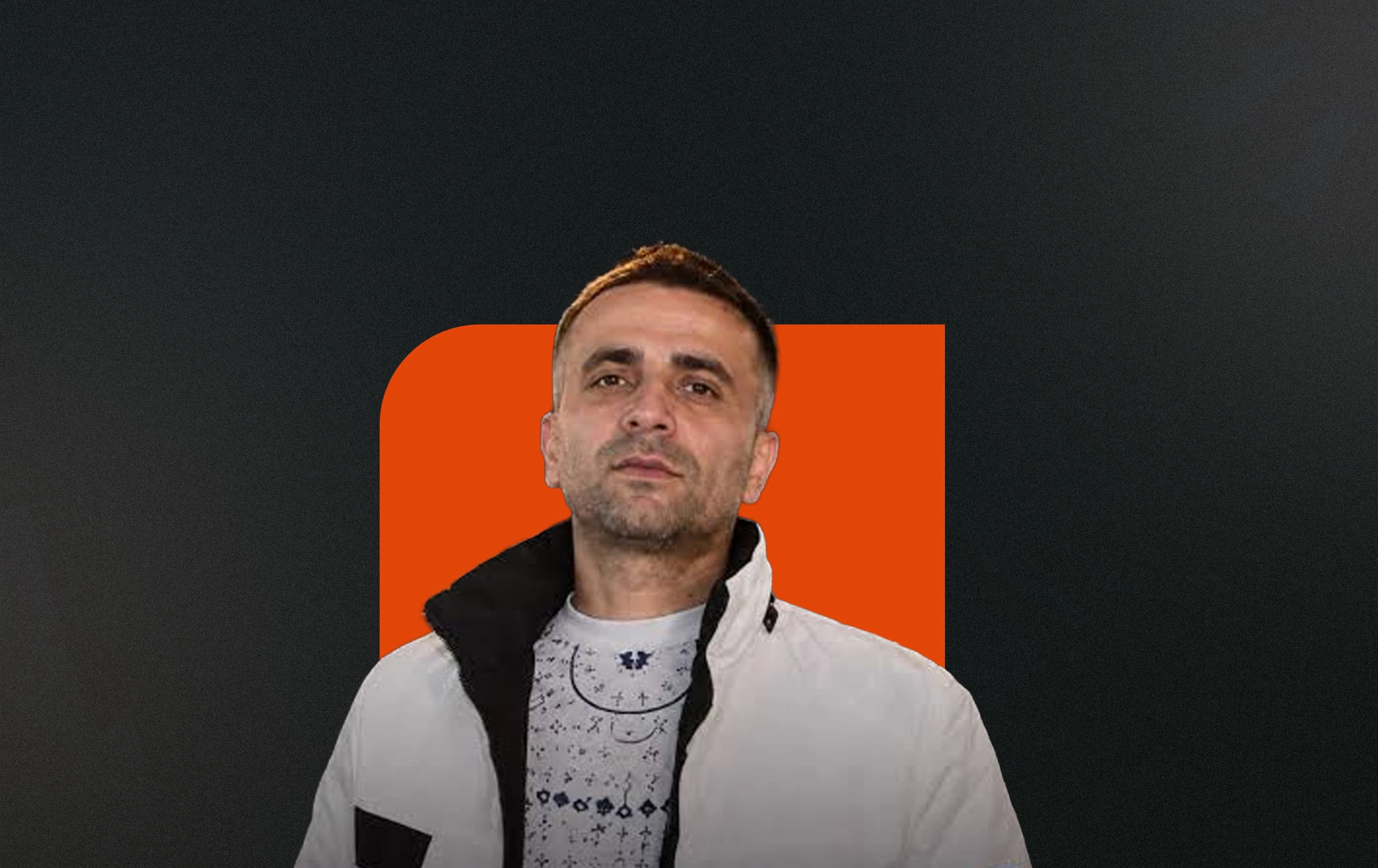
“The Shingal mayorship is KDP’s share because it gained the largest number of votes in the previous elections [in Shingal],” Mahma Khalil, a senior KDP politician and former mayor of the district, told Rudaw English on Monday.
Khalil was appointed head of the KDP’s Shingal office on Monday, marking his return to a leadership role in the district's political affairs after more than nine years.
He rejected Ahmadi’s 2024 appointment, describing the council's decision as an illegal act of “political punishment” against the KDP.
The PUK, however, maintains that Ahmadi was legitimately elected and that his appointment must be implemented.
“The 2024 nominations must be approved,” Ghayas Surchi, spokesperson for the PUK's Nineveh branch, told Rudaw English.
Surchi confirmed that the council had suspended the latest nomination process following an intervention by a parliamentary committee, which challenged the reopening of applications because the mayoral position was not vacant.
In an October 22 letter, the parliamentary committee responsible for governorate affairs demanded that the Nineveh Provincial Council suspend nominations for the Shingal mayorship and the directorship of the al-Shamal subdistrict.
The committee cited what it described as final rulings by the Administrative Court and Supreme Administrative Court confirming the legality of the 2024 appointments. It also requested the minutes of relevant provincial council meetings and announced an investigation into the matter.
Mohammed Ahris, an independent Arab member of the Nineveh Provincial Council, told Rudaw English that the council had paused the nomination process to allow the rival parties to resolve their differences.
“We made the step to give the KDP, PUK, and other political parties a chance to resolve their disputes,” he said.
Ahris explained that proceeding with a new appointment without resolving Ahmadi’s status could expose the council to legal challenges.
According to Ahris, council members are attempting to persuade Ahmadi to voluntarily withdraw his claim to the mayorship and agree not to pursue legal action.
A dispute dating back to 2017
The struggle over Shingal's administration traces back to October 2017, when Iraqi federal forces took control of disputed territories following the Kurdistan Region's independence referendum, forcing the withdrawal of Kurdish Peshmerga forces from several areas, including Shingal.
Khalil, who served as Shingal's mayor before the federal takeover, subsequently administered the affairs of displaced Yazidis remotely from Duhok, where many Shingal residents continue to live in displacement camps.
He resigned in 2022 after becoming a member of the Iraqi parliament, leaving the district's administration without an agreed permanent mayor.
The dispute intensified following the December 2023 provincial elections. Although the KDP secured more than 141,000 votes across Nineveh, it won only four seats on the 29-member provincial council, compared with nine seats in 2013.
The PUK, which secured two seats, joined Sunni and Shiite factions affiliated with the ruling Coordination Framework in a 16-member majority coalition known as the Future of Nineveh.
In July 2024, the majority coalition voted to appoint Ahmadi, a Yazidi figure whom the KDP considers close to the Popular Mobilization Forces (PMF), as mayor of Shingal.
The KDP boycotted the session and rejected its decisions. Although Ahmadi secured a majority of council votes, his formal appointment was never completed, leaving the district's administrative leadership unresolved.
The KDP also refused to implement other administrative changes approved during the same session, including appointments affecting disputed areas such as Makhmour.
As part of the same package, the PUK secured key local posts, including the chairmanship of the council's Security and Defense Committee and the directorship of the Sinuni subdistrict near Shingal.
Shingal Agreement and security disputes
The mayoral dispute is closely connected to disagreements over the 2020 Shingal Agreement, signed by Baghdad and Erbil under United Nations (UN) auspices.
The agreement calls for the appointment of an independent mayor, the reorganization of local security forces and the withdrawal of armed groups operating outside state authority. It also establishes mechanisms for coordination between the federal government and the Kurdistan Regional Government (KRG).
Khalil said the KDP would accept either the reopening of nominations following the full implementation of the agreement or a direct election allowing Shingal residents to choose their mayor.
The PUK has criticized the 2020 agreement, arguing that it was negotiated without sufficient consultation with local political forces.
Surchi maintained that the PUK considers the agreement flawed and distinguished the KDP's opposition to recent security developments from the KRG's official position.
The disagreement has gained renewed significance following the integration of around 2,000 fighters from the Shingal Resistance Units (YBS) into Iraqi security institutions in late October, with thousands more expected to join in future phases.
The YBS, an all-Yazidi armed force established following the 2014 ISIS assault, has maintained close ties with the Kurdistan Workers Party (PKK).
The KRG criticized the integration agreement, accusing Baghdad of acting unilaterally and violating the 2020 accord. Baghdad rejected the criticism, asserting that security arrangements in Shingal fall exclusively under federal authority.
The KDP and PUK also remain divided over the district's political future, with the selection of a mayor carrying implications for local administration, reconstruction and efforts to facilitate the return of displaced Yazidis.
Meanwhile, proposals for a temporary military administration have faced opposition from Yazidi representatives.
Federal authorities previously proposed appointing the commander of West Nineveh Operations as acting mayor for a three-month transitional period, an initiative rejected by local officials.
Murad Ismail, a Yazidi lawmaker who has also opposed KDP policies in Shingal, warned that residents would organize mass protests against the imposition of military rule.
“We will begin a grassroots movement and organize the largest protest in the history of Shingal to reject the policy of imposition and marginalization,” Ismail said.