
ERBIL, Kurdistan Region - Iraq announced Tuesday that the Mandali border crossing in Diyala province, which connects the country with Iran, will be temporarily closed for “maintenance,” while also deciding to reopen the Sheeb border crossing with its eastern neighbour after weeks of closure. The moves come amid mounting US pressure on Baghdad to close most of its land border crossings with Tehran as part of Washington’s efforts to intensify economic pressure on the Islamic Republic.
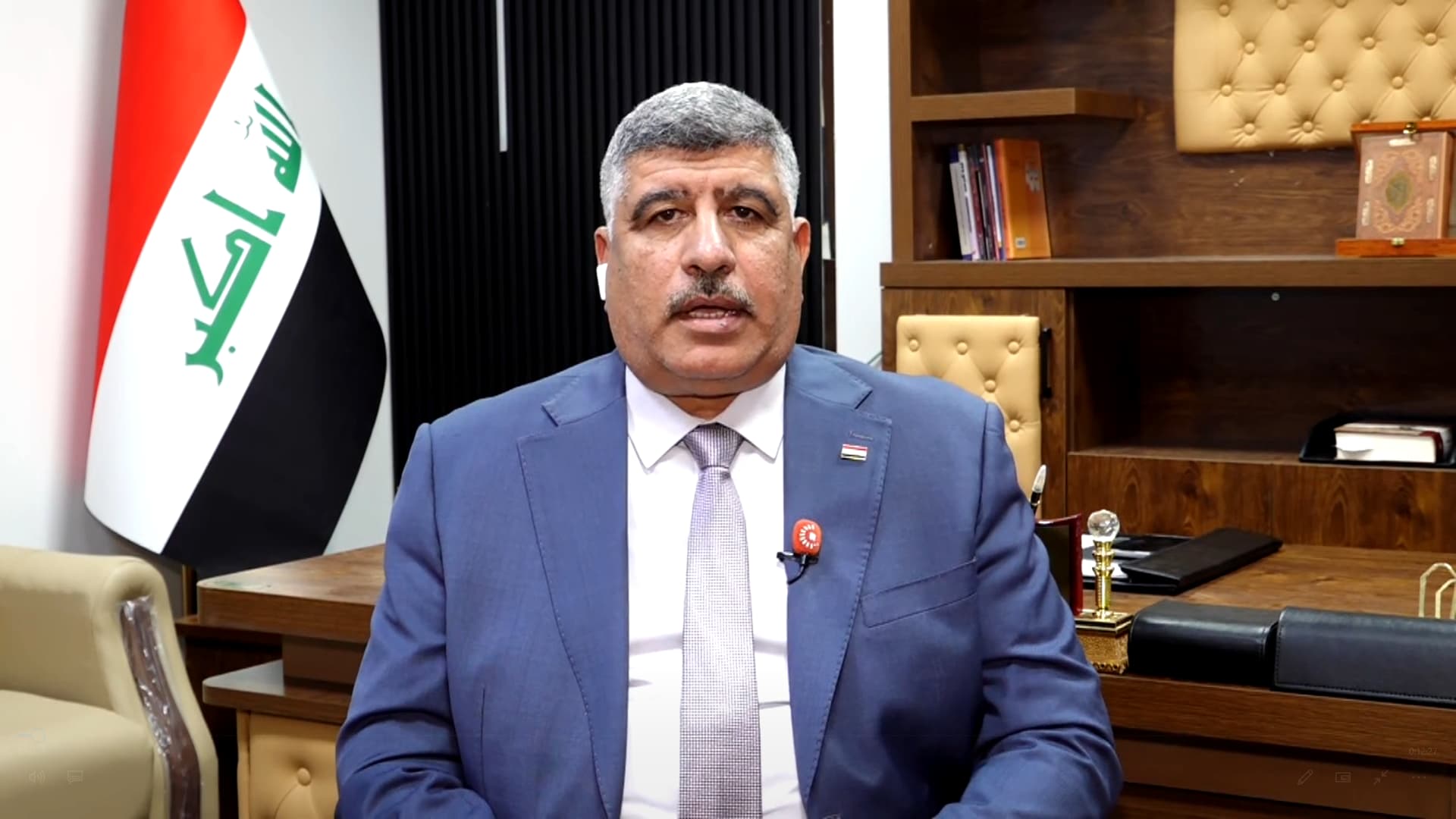
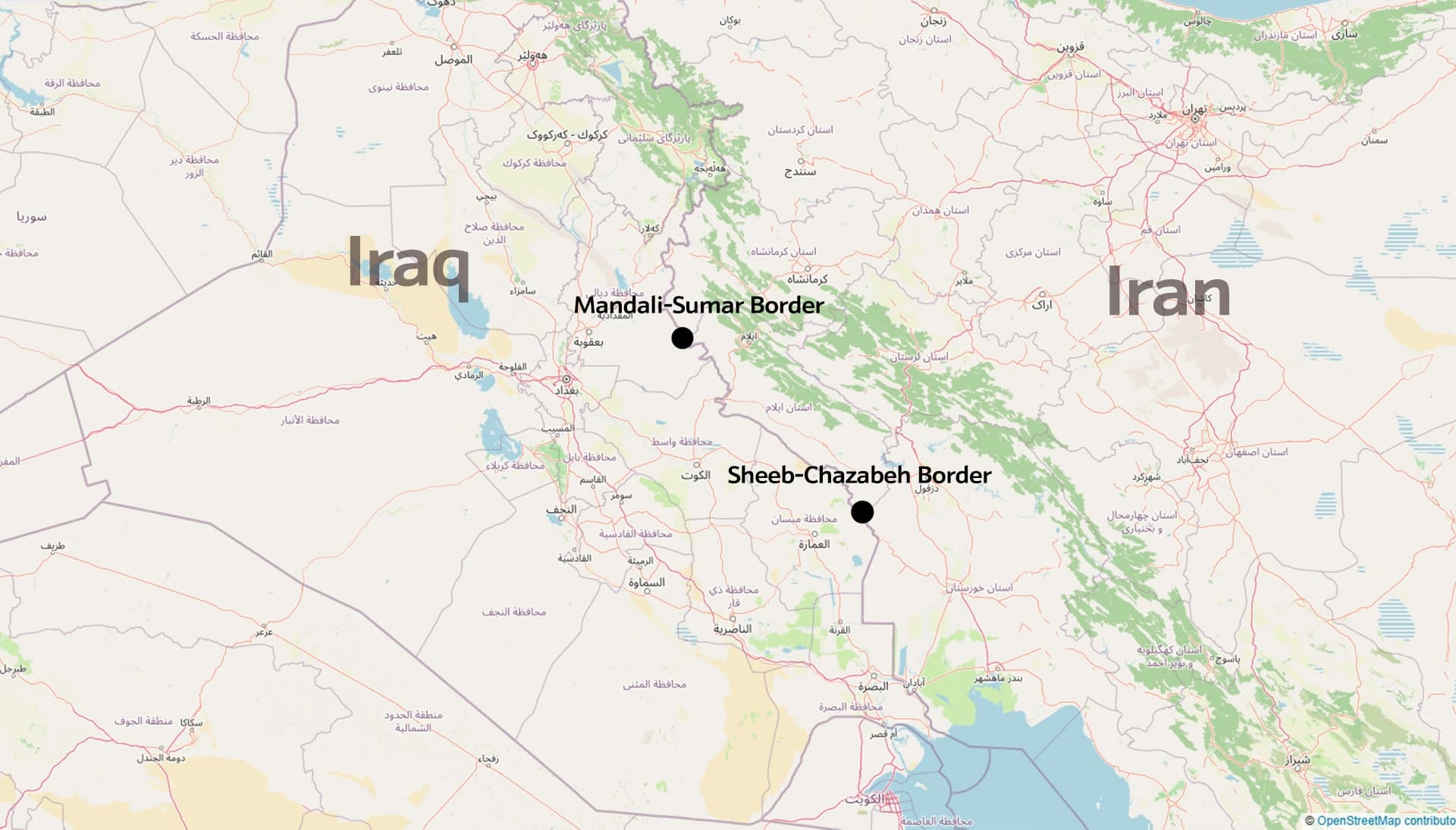
Omar al-Waeli, head of Iraq’s Border Ports Authority, said in a statement carried by the state-owned Iraqi News Agency (INA) that the Mandali border crossing, known as Sumar on the Iranian side, would temporarily close on Friday for technical preparations, maintenance and upgrades, particularly ahead of the approaching rainy season.
He said the closure was intended to address infrastructure and operational requirements, including weather conditions that could disrupt vehicle movement and operations at the crossing.
The authorities would announce a reopening date once the necessary work was completed, he added.
Waeli also announced that the Sheeb border crossing, connecting Iraq’s Maysan province with Iran’s Khuzestan province, would reopen at 8 am Tuesday (local time) after authorities completed the technical requirements and procedures necessary to resume operations.
He said the preparations would ensure the smooth movement of travelers and goods and facilitate trade between Iraq and Iran.
The announcement comes amid growing controversy over the management of Iraq's crossings with Iran, after Foreign Minister Fuad Hussein revealed that Washington had formally requested the closure of all but two border crossings between the neighboring countries, raising questions about whether the restrictions are driven by security and technical considerations or American economic pressure on Tehran.
In an interview with Qatari state-funded Al Jazeera channel that aired Sunday, Hussein said the US Treasury Department had requested that Baghdad keep only two crossings operational, one in the Kurdistan Region and another elsewhere in Iraq.
"There are many official and unofficial crossings with Iran, and closing them all is difficult and affects our economy," Hussein said.
He added that Washington continued to press for the closures and that Baghdad was discussing the request with American officials.
The foreign minister said annual trade between Iraq and Iran generally ranges from $15 billion to $18 billion, including around $4 billion in Iranian natural gas imports.
It remains unclear whether Tuesday's reopening of Sheeb crossing or the planned closure of Mandali crossing is connected to the American request. Iraqi authorities have attributed both decisions to technical and operational requirements.
The Sheeb crossing, known as Chazabeh on the Iranian side, was closed on October 21, with Baghdad citing inadequate technical and logistical preparedness.
The move triggered protests by truck drivers and traders in Maysan, who complained of rising commodity prices and disruptions to commercial activity.
Maysan Provincial Council chairman Mustafa Daeer Mohammedawi threatened civil disobedience and the closure of roads connecting the province to the rest of Iraq unless Sheeb reopened.
Prime Minister Ali al-Zaidi subsequently ordered an investigation into Mohammedawi, while an Iraqi court issued an arrest warrant following a complaint from the premier's office. He was briefly detained as a result.
Speaking to Iraq's al-Dijlah television on Sunday, Waeli said strict measures were being implemented at border crossings with judicial backing to combat smuggling, forgery, manipulation, and the misappropriation of public funds.
He argued that enforcing these measures had contributed to increasing state revenues and improving government control over border facilities.
The controversy intensified after Hussein disclosed Washington's demands.
On Sunday, the parliamentary bloc of the pro-Iran Badr Organization rejected what it described as American interference in Iraq's border policies and demanded the reopening of crossings with Iran.
The Asaib Ahl al-Haq-affiliated Sadiqoun bloc also called for clarification over the Sheeb closure, questioning the apparent discrepancy between the government's technical explanations and the foreign minister's acknowledgment of American pressure.
The bloc demanded a clear timetable for reopening the crossing and compensation for traders and residents affected by the restrictions.
The developments coincide with a broader American campaign to restrict Iran's cross-border trade and supply networks.
On Saturday, US Central Command (CENTCOM) announced the establishment of Task Force Iron Gate, a new unit tasked with coordinating efforts to disrupt the movement of advanced weapons, dual-use technologies, sanctioned materials, and illicit revenue across Iran's land borders and the Caspian Sea.
Iran's Islamic Revolutionary Guard Corps (IRGC) dismissed the initiative on Sunday, insisting that Tehran had made arrangements to maintain trade with neighboring countries and that the American measures would not cripple its economy.