
ERBIL, Kurdistan Region - Iran launched fresh attacks on the Kurdistan Region early Wednesday, targeting a Komala headquarters in northeast Erbil with two explosive drones and striking a house in Halabja province, causing property damage but no casualties, according to the Kurdish Iranian opposition group and a security source who spoke to Rudaw.
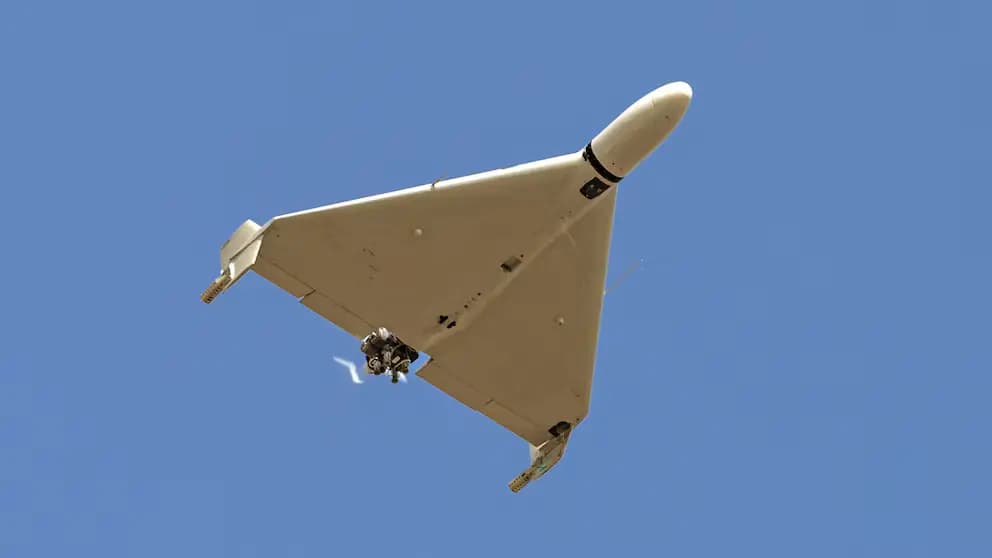
In a statement, Komala said the attack targeted one of its bases in the Alana valley of Balisan, about 90 kilometers northeast of Erbil, at around 8:45 am on Wednesday. The group identified the weapons as two explosive Shahed drones and said its Peshmerga forces in the area were safe.
“Despite material damage, this attack resulted in no casualties,” Komala said, adding that its fighters had escaped unharmed.
Ali Ranjbari, head of Komala's relations, also described the incident as an “Islamic Republic's drone attack on Komala Peshmerga,” accusing Iran's Revolutionary Guards of continuing their attacks against the group.
Separately, a security source told Rudaw that an airstrike targeted a house in Tawella, in Halabja province, shortly after 2:00 am on Wednesday. The strike caused heavy damage to the property, but no casualties were reported.
Alwan Abdullah, the owner of the damaged house, told Rudaw's Sazgar Salah that the family did not know what had happened.
“We don't know what happened. We haven't seen any debris. Our house sustained heavy damage; our glass, doors, and windows are all broken,” Abdullah said.
Fakhir Nasradin, a Tawella resident, told Rudaw that the incident was accompanied by a loud noise at around 1:10 am.
“It was a loud noise. It was 1:10 am. They were not at home; they were at their orchard,” Nasradin said.
Iran has repeatedly targeted Iranian Kurdish opposition groups based in the Kurdistan Region with missiles and drones since February 28, when the United States and Israel launched their military campaign against Tehran. The Kurdistan Region has faced nearly 1,000 drone and missile attacks since the conflict began.
Last month, Iran's ambassador to Iraq, Mohammed Kazem Al-e Sadegh, claimed Baghdad had agreed to expel Iranian Kurdish opposition groups from the Kurdistan Region or hand them over to Tehran following a joint security meeting.
However, an Iraqi official who attended the meeting denied that any such agreement had been reached.
The military pressure on Kurdish opposition groups has coincided with an intensifying crackdown in Iran's Kurdish-majority areas, where authorities have stepped up arrests amid fears of renewed anti-government protests.
The Norway-based Hengaw Organization for Human Rights reported that at least 64 Kurds were arrested in October, accounting for more than half of the 124 arrests it documented across Iran that month.
In a separate report on Tuesday, Hengaw said Iranian intelligence forces had arrested at least seven Kurdish residents, including a Sunni religious leader, in raids in the Kurdish cities of Bukan and Oshnavieh in western Iran, known as Rojhelat.
Tehran has intensified its crackdown across the country, particularly in Kurdish areas, amid concerns that another wave of protests could erupt. Tens of thousands of people have been detained since nationwide protests began in January, with many accused of collaborating with Israel and the United States, which Iran considers its principal adversaries.
Last updated at 11:09.