ERBIL, Kurdistan Region - The United States and Iran exchanged missile strikes against dozens of targets on Wednesday morning, escalating tensions after a US Army Apache helicopter was downed in an attack that the US Central Command (CENTCOM) said was carried out by Iran.
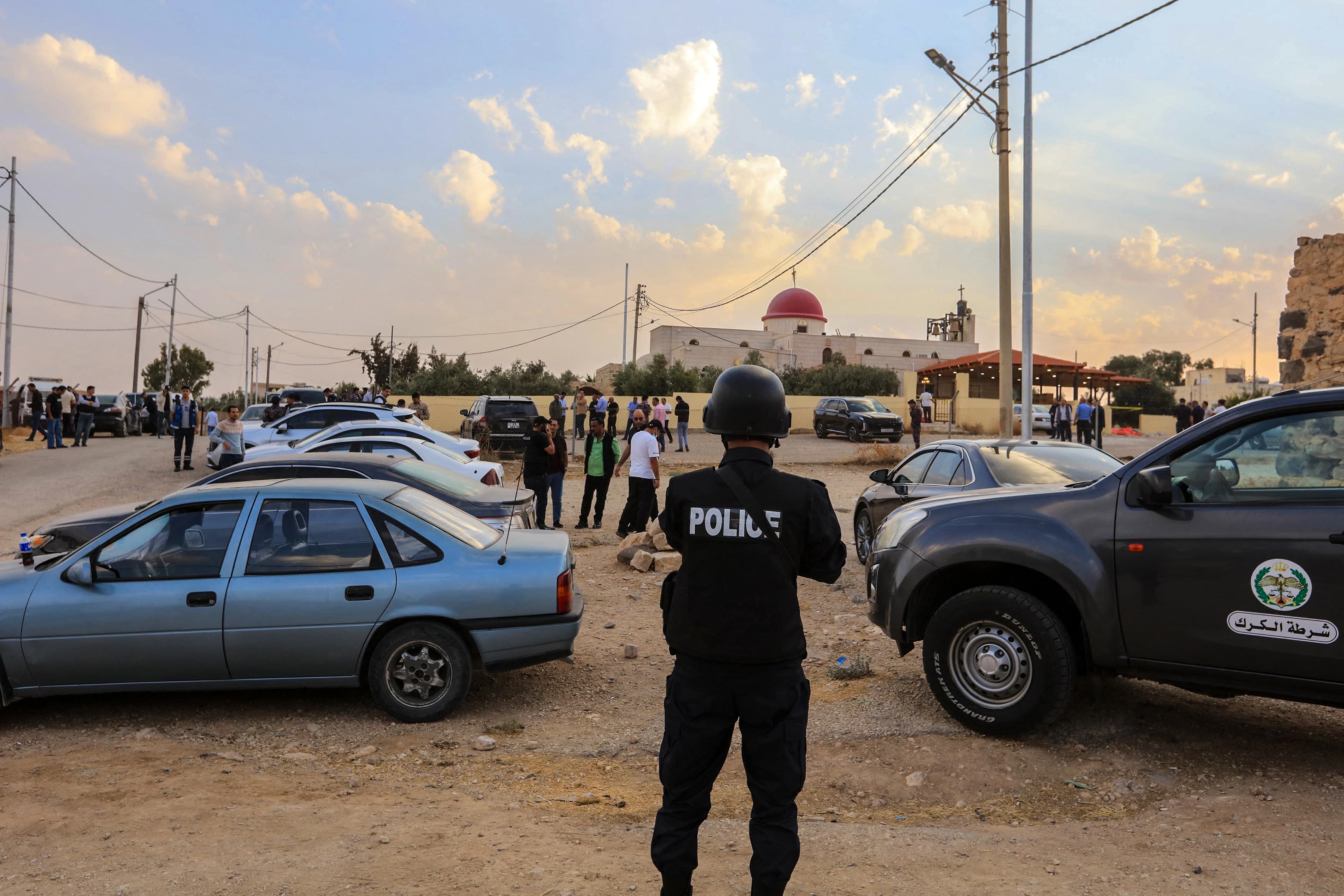
The IRGC said in a statement that 21 targets were struck in Kuwait, Bahrain, and Jordan. Videos circulating on social media showed air defense systems engaging incoming IRGC missiles and drones across all three countries.
The IRGC said its forces used long-range solid-fuel missiles which "targeted and destroyed four significant targets, including F-35 fighter jet hangars at the airbase and the command-and-control center of the child-killing US army in al-Azraq, Jordan."
The IRGC strikes came in response to CENTCOM targeting several locations in southern Iran near the Strait of Hormuz.
“CENTCOM forces struck Iranian air defense, ground control stations, and surveillance radar sites near the Strait of Hormuz with precision munitions from U.S. Air Force and Navy fighter jets," the CENTCOM said in a statement, adding that the operation was "a proportional response to recent attacks on U.S. forces and international commercial ships transiting regional waters.”
Meanwhile, the Jordanian military said on Wednesday it shot down five missiles launched from Iran.
"We intercepted and shot down five missiles launched from Iran towards Azraq. The interception resulted in debris falling, but there were no casualties or material damage," the Jordanian Armed Forces said in a statement.
The exchange of strikes came after President Donald Trump vowed hours earlier that the US would retaliate against Tehran, following his claim that Iran had shot down a US helicopter patrolling over the Strait of Hormuz.
The IRGC, in its statement, suggested the exchange of fire had ended, but warned it would respond to any further violations by US forces.
The exchange of fire comes at a time when US President Donald Trump has said he believes an agreement to end the war that began in late February and reopen the strategic waterway could be reached within days.
Tehran has become emboldened as a result of the recent exchange of fire, striking its adversaries with little warning.
Israel and Iran exchanged fire on Sunday following Israeli strikes on Hezbollah positions in southern Lebanon and southern Beirut.
Iran responded shortly after, threatening retaliation and launching missile strikes toward northern Israel.
Iran’s chief diplomat on Tuesday urged foreign troops near the country’s territories to withdraw, warning they would otherwise be at “constant risk” of being caught in the crosshairs of regional escalation with the United States, while insisting that the Strait of Hormuz is not international waters.
“Our powerful armed forces are on constant alert for any violation of Iran’s airspace, land or waters,” Iran's Foreign Minister Abbas Araghchi said in a post on X, warning foreign forces “in proximity to our territory” that they are “at constant risk on account of human error, accidents, or being caught in crossfire.”