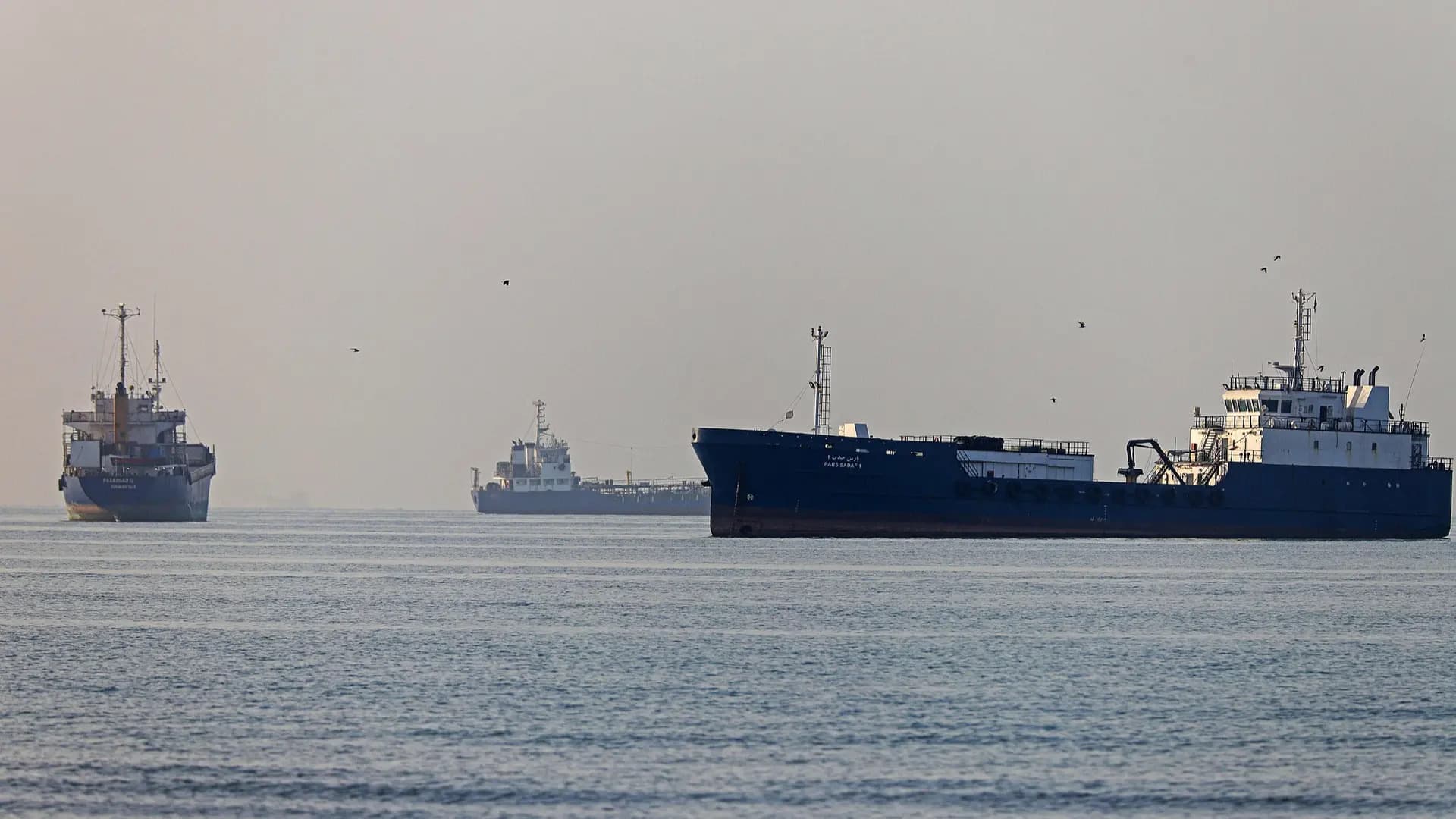
ERBIL, Kurdistan Region - The United States has lifted restrictions on all maritime traffic traveling to and from Iranian territories, the US Central Command (CENTCOM) stated, as Iran has presented a new transit framework for vessels navigating the Strait of Hormuz, requiring ships to submit passage requests while noting that no transit fees will be imposed for an initial 60-day period.
“U.S. forces lifted the blockade on all maritime traffic entering and exiting Iranian ports and coastal areas, in accordance with the President’s [Donald Trump] direction,” CENTCOM said on Thursday, adding that “American forces are not impeding the transit of vessels to or from Iranian ports” and that that “all U.S. military blockade enforcement efforts have ceased.”
The Command added that “American forces are not impeding the transit of vessels” to Iran and that “all U.S. military blockade enforcement operations have ceased.”
However, CENTCOM noted that US naval assets “will remain in the general area to ensure that all aspects of the agreement are adhered to, obeyed, and in full force and effect.”
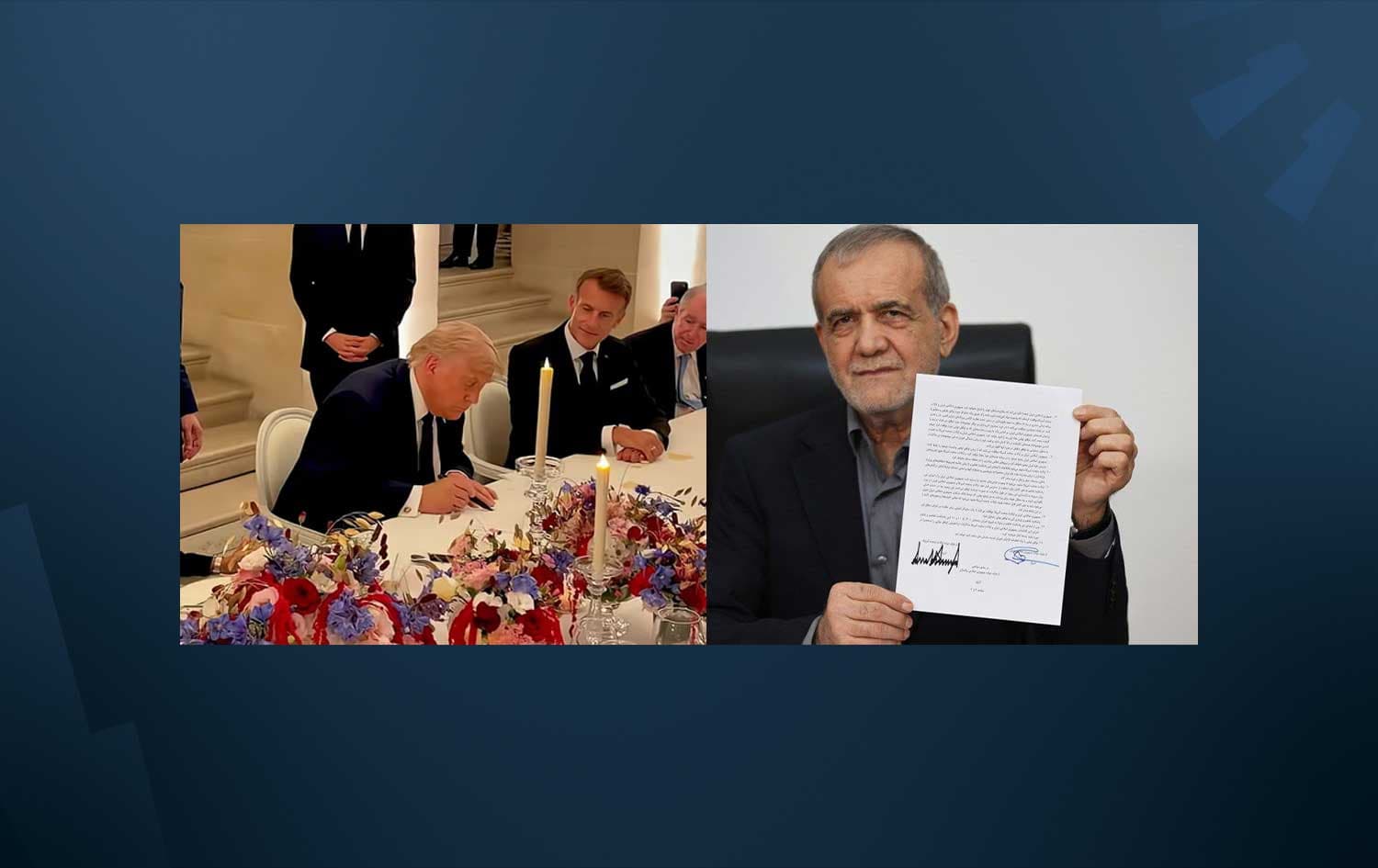
Earlier on Thursday, Trump and Iranian President Masoud Pezeshkian signed a 14-point memorandum of understanding providing for a cessation of military operations across all fronts, including maritime measures. The understanding also commits both sides to begin negotiations on a comprehensive and binding agreement within 60 days, with the timeline subject to extension by mutual consent.
The agreement came months after the US and Israel launched a widescale aerial campaign against Iran on February 28, striking thousands of targets across the country during six weeks of hostilities.
The warring sides agreed to a Pakistan-mediated ceasefire on April 8, bringing an end to hostilities and paving the way for weeks of diplomatic negotiations.
Alongside these diplomatic efforts, Tehran and Washington undertook reciprocal maritime measures that saw Iran tighten its control over shipping through the Strait of Hormuz and the US impose a naval blockade on Iranian ports.
Under the memorandum of understanding, the US agreed that restrictions against Iranian ports “will fully end” within 30 days from the MoU coming into effect.
Iran also agreed to “make arrangements” to ensure “the safe passage of commercial vessels, with no charges for 60 days only, between the Persian Gulf and the Sea of Oman.”
Importantly, Tehran on Thursday introduced a new transit framework for ships transiting Hormuz.
Iran’s Supreme National Security Council (SNSC), the country’s highest decision-making body on security matters, said in a statement that, under the agreement with the US, “commercial vessels seeking transit through the Strait of Hormuz shall submit their requests to the Persian Gulf Strait Authority” - a newly established Iranian government agency tasked with overseeing maritime transit through the strategic waterway.
The Council added that “no fees or charges will be imposed on applicants” during an initial 60-day period. It also stipulated that vessels must transit “in accordance with the routes, schedules, and instructions communicated to them” in order to avoid “safety risks along the transit route.”
The developments come as American and Iranian officials are set to meet in Switzerland on Friday for “initial negotiations” on implementing the initial agreement between their countries, Bern’s foreign ministry confirmed, adding that mediators from Pakistan, Qatar and “other involved countries” are also expected to participate in the talks.
RELATED: Switzerland to host initial US-Iran talks on implementing preliminary deal: Ministry