
ERBIL, Kurdistan Region - Kurdistan Region President Nechirvan Barzani on Friday condemned a deadly attack targeting a funeral at a church in Jordan’s Karak province, expressing solidarity with the Hashemite Kingdom following the incident.
“We strongly condemn the terrorist attack that targeted a church in Karak Governorate in the Hashemite Kingdom of Jordan, which resulted in casualties and injuries among innocent civilians,” President Barzani said in a statement issued by the Kurdistan Region Presidency.
He reaffirmed the Kurdistan Region’s rejection of terrorism in all its forms, particularly attacks targeting places of worship and civilians, and expressed solidarity with Jordan’s leadership and people.
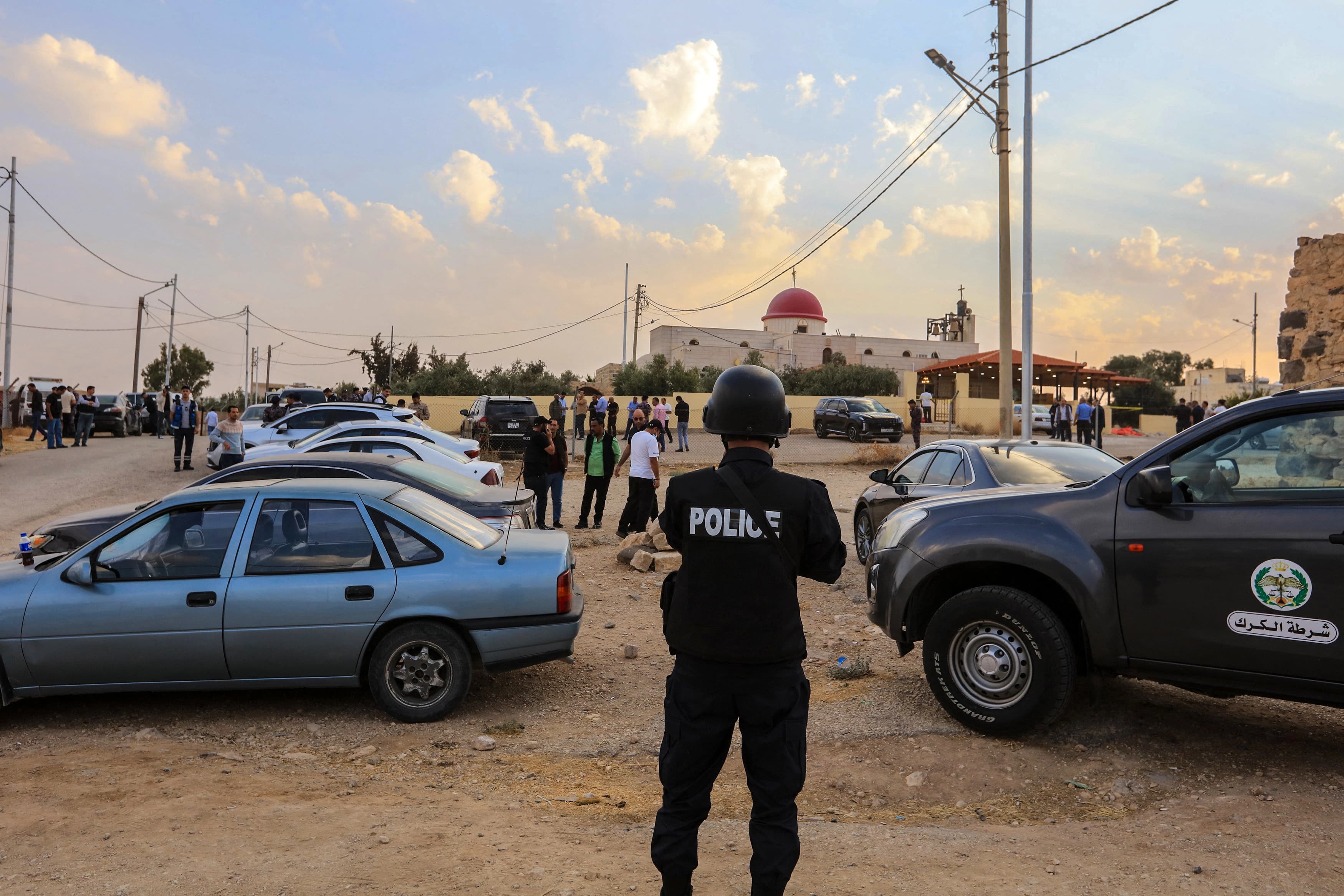
The attack killed seven people and injured 34 others during a funeral procession at a Greek Orthodox church in Karak. Two unidentified gunmen reportedly opened fire on a crowd of nearly 200 people before fleeing the scene.
Jordanian King Abdullah II vowed the “harshest retaliation” against those responsible, warning that attempts to divide Jordanians through violence would fail in the face of national unity.
“The terrorist attack against Karak will be met with the harshest retaliation. Those who delude themselves into thinking that they can divide Jordanians with their bullets have no chance in the face of our unity,” King Abdullah said in a statement on X.
Jordanian Interior Minister Mazin al-Farrayeh stated at a press conference broadcast by the state-run Mamlaka network that security forces are “working around the clock” to find the perpetrators, describing the attack as a “cowardly terrorist act.”
At the same press conference, Public Security Director Obaidallah al-Maaytah said seven people had been killed and 34 injured, 27 of whom were receiving medical treatment.
Both Farrayeh and Maaytah refused to disclose the attackers’ affiliation, stating that it would be revealed following the conclusion of the ongoing investigations.
While Jordan generally maintains high domestic security, Karak was previously the site of a deadly attack in December 2016 when the Islamic State (ISIS) militants assaulted a historic castle and killed at least a dozen people, along with five attackers and injured 37.