ERBIL, Kurdistan Region - A Syrian Kurdish lawmaker announced plans on Saturday to lobby the Syrian parliament to enshrine a landmark presidential decree in the national constitution, aiming to permanently guarantee the Kurdish language’s official recognition and legal protection.
“Because any decree can be overturned by another decree, we want these rights to be guaranteed within the constitution so they become permanent and unalterable,” Omar Gharibo, a Kurdish member of the Syrian parliament, told Rudaw’s Nalin Hassan.
Delayed elections in Kurdish-majority areas stretching from Qamishli to Kobani in the northeast administration (Rojava) were held in May. Nine Kurdish lawmakers were elected to the country’s 210-seat legislature.
The elections in the area had originally been postponed due to disputes between the Syrian interim government and Kurdish authorities over political representation, autonomy, integration of Kurdish-led forces, and ongoing security concerns.
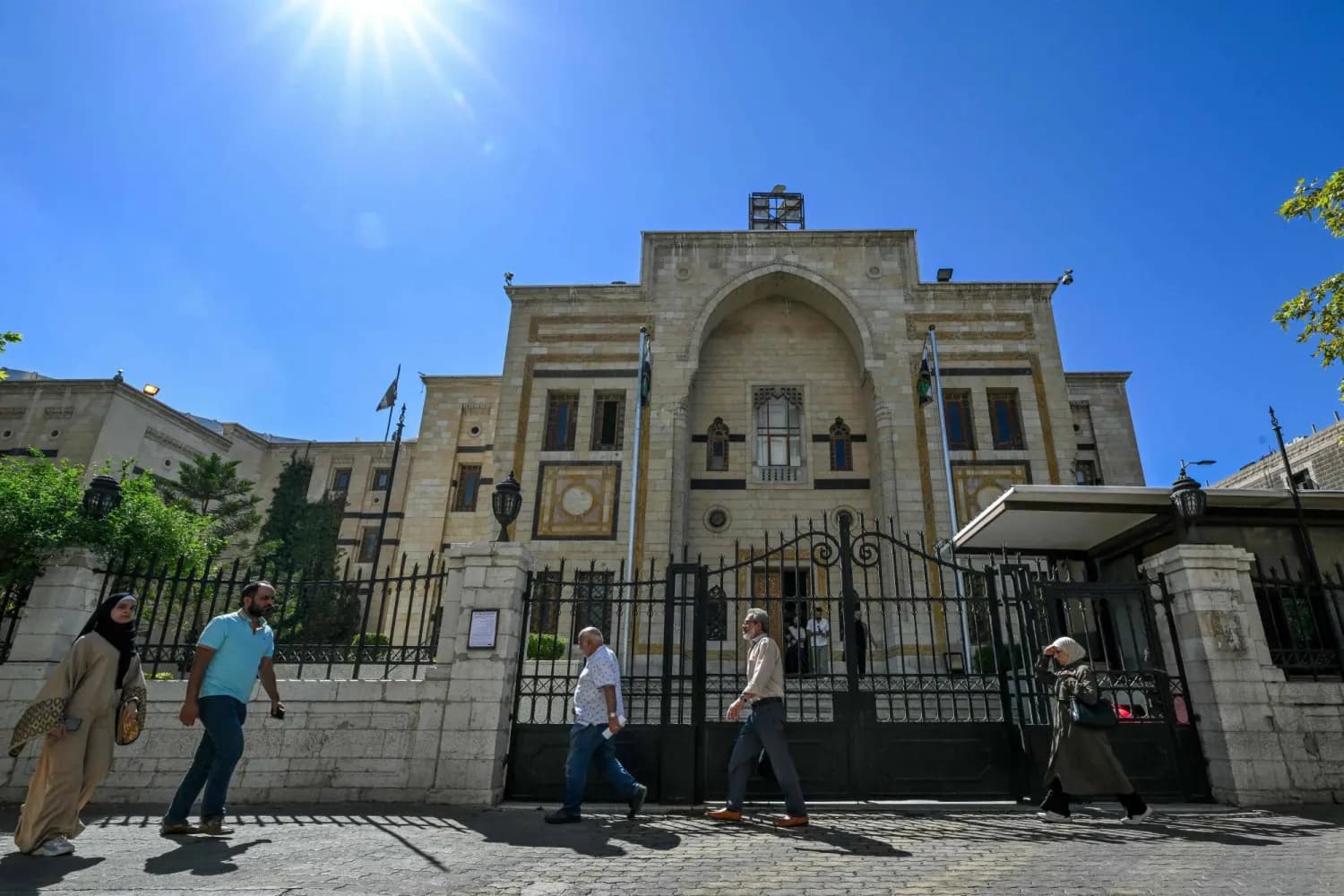
Gharibo noted that the newly elected Syrian parliament is set to hold its first session in June, but the exact date has not been specified yet.
Interim President Ahmed al-Sharaa issued Decree No. 13 in January that recognizes Kurdish as a national language and allows it to be taught - and spoken - in public and private spheres.
While this is seen as a breakthrough, Kurdish officials consider it temporary and potentially reversible, prompting calls for language rights to be enshrined in the constitution.
The decree has reversed long-imposed suppressive policies enforced by the former Ba’athist regime that censored and banned the Kurdish language.
Under the party's rule, led by the Assad family from 1971 to 2024, Kurdish was heavily restricted in public life. Speaking, writing, publishing, and singing in Kurdish were prohibited, and Kurdish names for newborns were not allowed.
This changed in 2012, when Assad forces withdrew from Rojava, and a Kurdish-led administration took control, integrating Kurdish-language education into the school system in the northeastern provinces.
Since then, authorities in Rojava have implemented a distinct curriculum featuring Kurdish-language instruction, separate from the Syrian state system. However, a landmark agreement reached on January 29 between Damascus and Kurdish authorities has opened the door to greater academic coordination, including allowing Rojava students to sit national exams and obtain officially recognized certificates.
The agreement has also opened discussions about translating the national curriculum into Kurdish as an optional track in the majority-Kurdish areas or studying the language as a weekly elective subject.
.