
ERBIL, Kurdistan Region - Kurdish families returning to their homes in northern Syria's Gri Spi (Tel Abyad) came under attack on Monday as rioters vandalized and set vehicles on fire, forcing around 100 families to shelter inside a local administration building for more than eight hours. The incident marks the second major attack on Kurdish returnees in the area since August.
Families had traveled to their hometown “at the request of the Gri Spi director” to present documents establishing ownership of their homes and properties after seven years of displacement, the Gri Spi Displaced Persons Committee reported.
The violence left “more than 100 Kurdish families, including women and children ... besieged" inside the district administration building as crowds gathered outside. Rudaw's Viviyan Fetah reported that returnees were trapped in the building from around 10:00 am until 6:30 pm, until the arrival of security forces.
The attack has renewed concerns over the safety of Kurdish families seeking to return to their homes in Gri Spi and neighboring Sare Kani (Ras al-Ain), both of which fell under Turkish control and Ankara-backed Syrian armed groups following Turkey's 2019 military offensive.
In videos shared by one of the Kurdish returnees on social media, dense palls of smoke can be seen surrounding the building, although its source could not be independently established from the footage.
"We are currently besieged in the local administration's building. Smoke is all around us. This is what we are going through," an unidentified individual was heard saying, urging people to widely circulate the video.
Local residents told Rudaw’s Viviyan Fetah that at least eight vehicles belonging to the Kurdish families had been set ablaze.
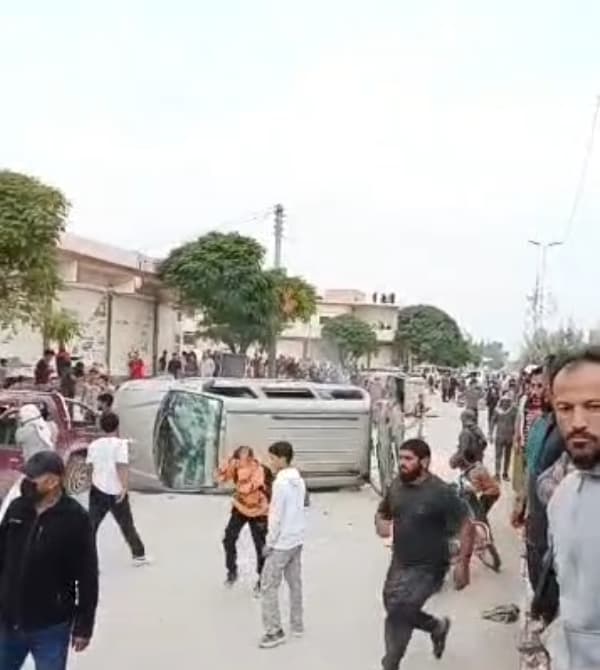
In another video seen by Rudaw, a khaki-colored SUV with shattered windows was overturned by a crowd chanting "Allahu Akbar." A separate video published by the UK-based Syrian Observatory for Human Rights (SOHR) showed crowds overturning another vehicle as a man called returning families "the convoy of PKK pigs," in reported reference to the Kurdistan Worker’s Party (PKK). Rudaw could not independently verify when the footage was recorded.
SOHR reported that approximately 20 vehicles belonging to the Kurdish returnees were demolished or burned, with attackers throwing stones and sticks. It also reported gunfire during the incident.
According to the watchdog, the attackers were among displaced people currently residing in Gri Spi who opposed the return of the Kurdish residents and attempts to reclaim their properties.
Rudaw could not independently verify the identities or affiliations of those responsible for the attacks.
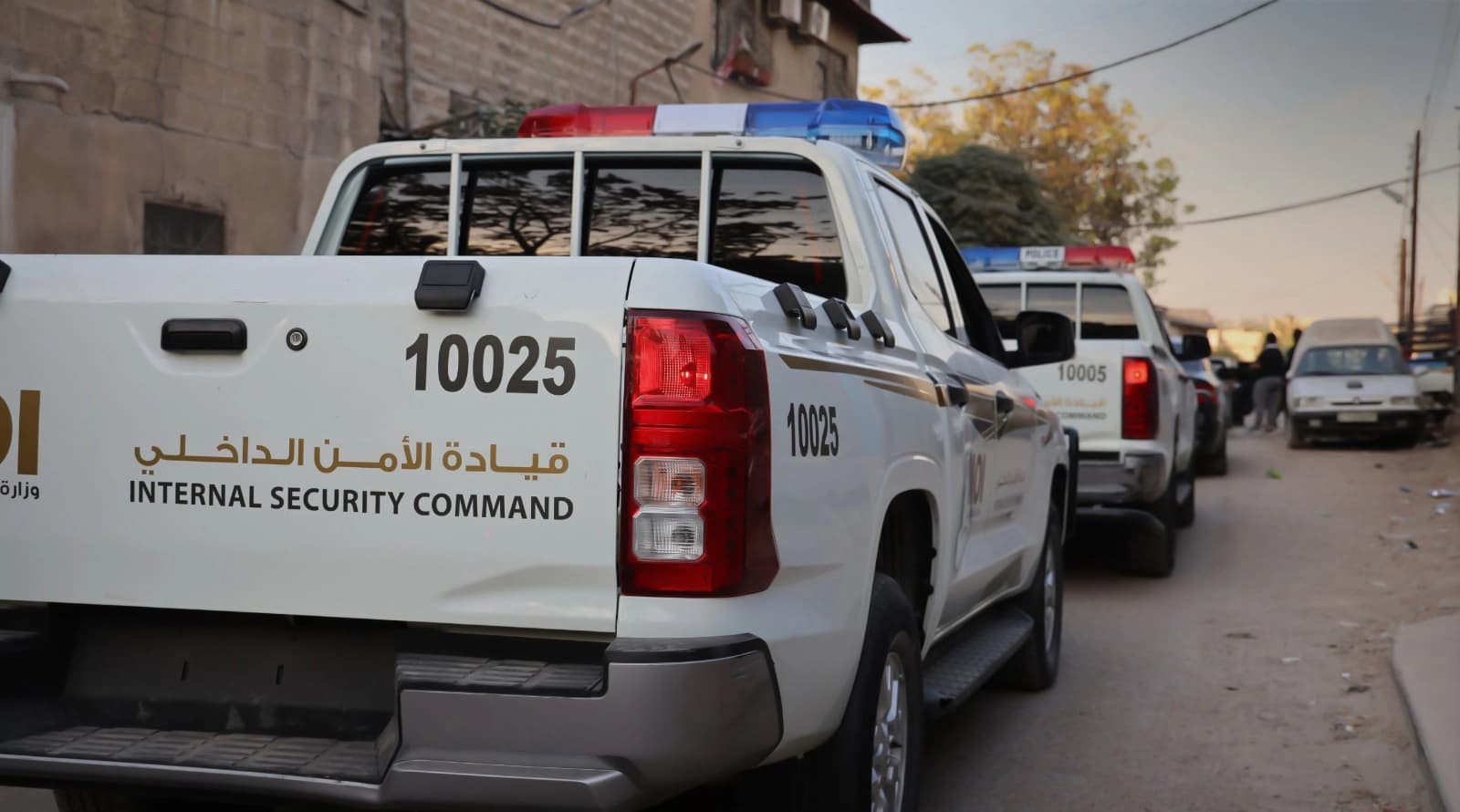
SOHR separately reported that around 100 Kurdish individuals remained inside the building as tensions continued. The differing figures could not immediately be reconciled. The watchdog later reported that dozens of Syrian General Security vehicles had departed Raqqa for Gri Spi in an attempt to contain the unrest.
At the time of publication, no official statement from the Syrian government addressed the attacks.
Calls for investigation
The Sare Kani Displaced Persons Committee on Monday affirmed the returns of displaced persons and internally displaced people as “an inherent and legitimate right,” stating that the attacks in Gri Spi “raise serious concerns about the safety and security of the returnees and their right to return safely and with dignity to their areas of origin.”
These attacks “constitute a violation of the rights of returnees and contradict the agreements concluded, including the January 29 agreement, as well as the humanitarian and legal principles that emphasize the need to protect civilians, safeguard their dignity and property, and prevent them from being subjected to threats or violence because of their ethnic identity or social affiliation,” the statement read.
The committee called on Syrian authorities to launch an "official, transparent and independent investigation," identify those responsible and hold them accountable and urged authorities to provide security guarantees for returning families and protect their homes, vehicles and other belongings from attacks, destruction or seizure.
In a separate statement issued from Kobane on Monday, the Gri Spi Displaced Persons Committee said it had been coordinating with relevant authorities to facilitate the return of residents but that those efforts had yet to produce tangible results.
Both committees called for urgent action to protect the stranded families and prevent further attacks, warning that the absence of effective security guarantees could force displaced Kurds to abandon their efforts to return home.
Second attack on Kurdish returnees
The violence follows a similar attack in August, when displaced Kurdish families returning to Sari Kani, east of Gri Spi, were assaulted by armed men attempting to prevent them from reclaiming their homes.
Some of the families were forced to return to displacement camps in Hasaka province after the attack.
At the time, Syrian Deputy Defense Minister Sipan Hemo condemned the violence, describing the perpetrators as "saboteurs" attempting to prevent displaced residents from returning.
A Kurdish woman who returned with the first convoy told Rudaw’s Vivyan Fetah that she had reached her home but was unable to enter it due to the extensive damage.
The August attack prompted the Gri Spi Displaced Persons Committee to suspend registration for returnees amid concerns over their safety.
Despite the violence, organized returns to Sare Kani have continued. Last week, Syrian authorities announced the sixth convoy of returning displaced families, comprising 645 households and bringing the total across six convoys to 3,181 families.
However, the process remains complicated by property disputes, damaged infrastructure and threats against families attempting to reclaim their homes.
Earlier this month, a member of Sari Kani's displacement committee told Rudaw’s Nalin Hassan that some people occupying Kurdish homes were demanding up to $10,000 to vacate the properties.