
ERBIL, Kurdistan Region - Lebanese Hezbollah on Tuesday “categorically rejected” a claim by Syrian authorities accusing the group of attempting to sabotage a refinery in Homs west of the country after security forces discovered explosive devices near the site.
“Hezbollah has no presence or connection within Syrian territory and has no relation to any activity that undermines the security and stability of Syria,” the group said in a statement carried by its affiliated media, Al-Manar.
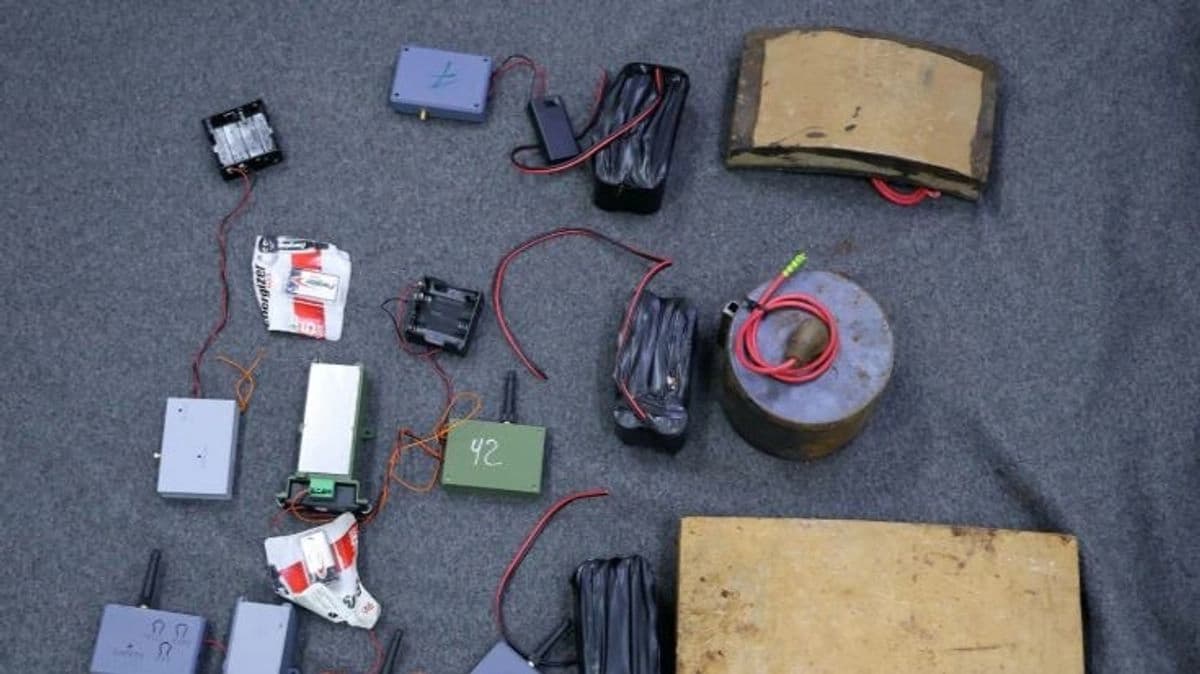
The statement comes as the Syrian Internal Security Forces announced earlier in the day the “seizure of improvised explosive devices” (IEDs) and “equipment” after thwarting a “terrorist plot” targeting the Homs refinery, the second largest state-owned petroleum refinery in Syria after Baniyas.
“The materials were seized in the possession of a cell affiliated with the Hezbollah militia,” Syria’s security agency said, claiming that they were being prepared “to use them in an attack on the refinery” before they were apprehended in a “preemptive operation.”
Subsequently, the Syrian security forces identified the suspects by the initials of M.S. and B.Sh. and shared blurred images of them while showing the allegedly seized IEDs and dynamite.
Relations between Hezbollah and Damascus deteriorated in December 2024, when the Syrian dictator Bashar al-Assad - Hezbollah’s key ally - was ousted by a coalition of Sunni-led groups.
Syria served as a corridor for Iran to transport weapons to Hezbollah under Assad’s rule before the new interim Syrian government, under the leadership of President Ahmed al-Sharaa, cut ties with the group. Damascus has also frozen diplomatic relations with Tehran, accusing it of supporting Asad and requesting it to address its involvement in the Syrian Civil War (2011-2024).
The group has long been involved in skirmishes with Damascus-affiliated forces along the shared border between Lebanon and Syria, including an incident in March 2025, in which the Syrian government accused the group of kidnapping and assassinating three of its security forces.
The Lebanese-Syrian border is geographically complex, characterized by mountains, valleys, and plains, with no clear demarcations separating the two countries. The two sides share six land border crossings, extending over a distance of about 375 kilometers.