
ERBIL, Kurdistan Region - An Afghan government official killed a Kurdish woman and her 15-year-old daughter in northern Afghanistan, a Paris-based human rights monitor reported on Monday, adding that the motive for the crime was the woman’s refusal to marry off her daughter to the Taliban official.
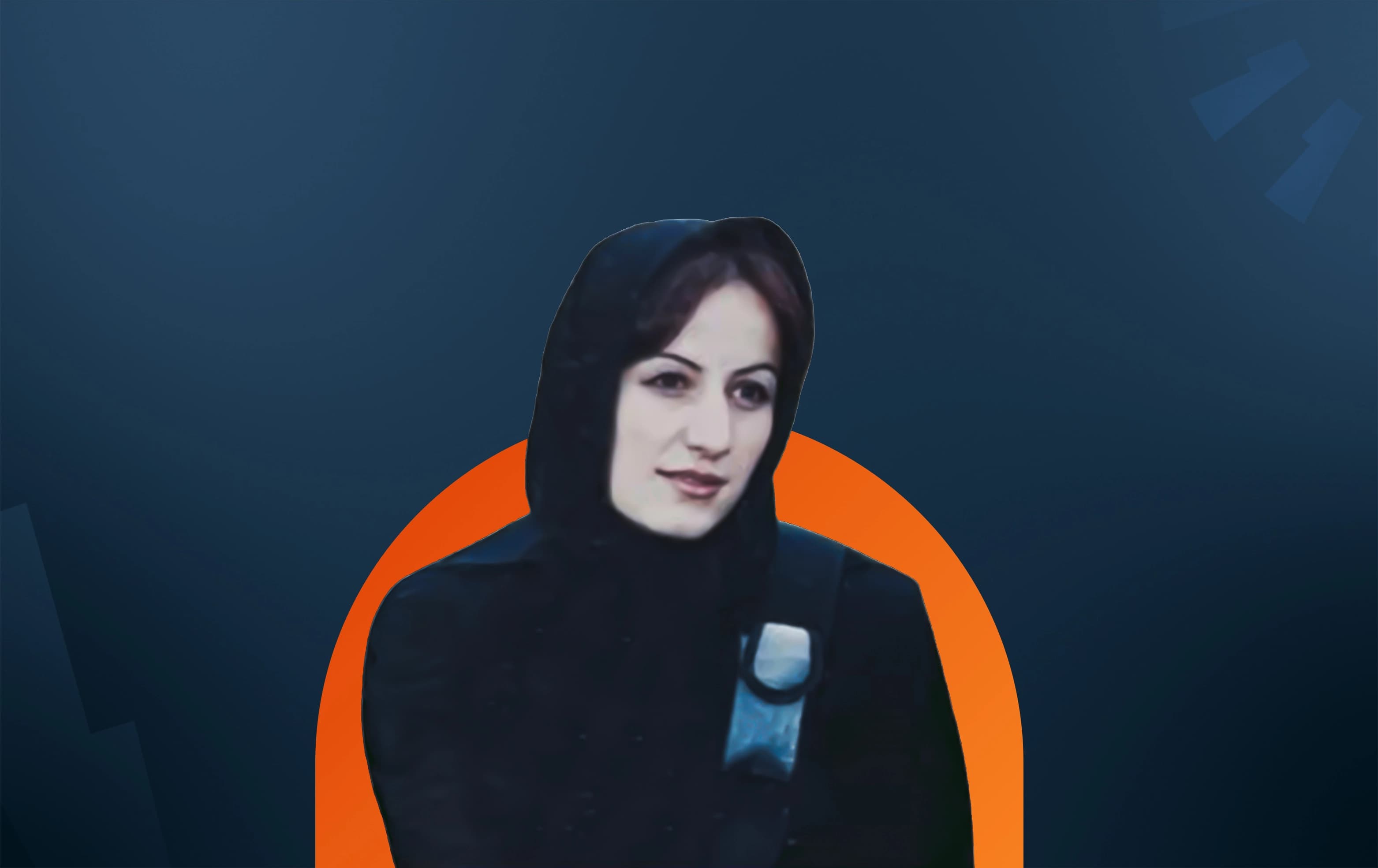
Chiman Hosseinzadeh, a Kurdish woman from the city of Bukan in Iran’s West Azerbaijan province, who lived in Afghanistan, and her daughter, Sara Yousefi, “were killed on May 8 by a local Taliban official who had sought to marry Sara,” the Kurdistan Human Rights Network (KHRN) said.
Citing a well-placed source, the rights monitor detailed that Hosseinzadeh was herself married to an Afghan man for around two decades and lived in a village in northern Afghanistan’s Sar-e Pol province, adding that “she was known as Bibi Chaman Gol and worked as a local midwife.”
KHRN further identified the Afghan official as Mofti Mohammadollah, head of Taliban’s pilgrimage and endowment department in the province’s Kohistanat district, accusing him of having “attempted to forcibly take Sara away [for marriage] but that her mother resisted.”
“The Taliban official then opened fire, killing both mother and daughter,” the report said.
Taliban authorities have increasingly come under fire by international bodies and legal experts for enforcing discriminatory policies and legislation aimed at depriving women and girls of their basic rights, including freedom of movement, education, and marital protections.
In a report it sent to the United Nations Security Council, the UN Assistance Mission in Afghanistan (UNAMA) said last week that the Afghan government issued a decree in mid-May that allows the silence of a girl who has just reached puberty to be interpreted as consent to marriage.
Women in Afghanistan are also faced with severe restrictions in accessing public life, including banning secondary and higher education, imposing strict dress codes, terminating female employees from public service, and obliging them to have a mandatory male relative chaperone outside their homes.
Additionally, the Taliban have systematically removed all books authored by women from bookstores, public libraries, and university libraries, regardless of the subject matter or the author's nationality. The teaching of gender studies and human rights is explicitly prohibited, according to the UN Human Rights.
Human Rights Watch (HRW) in April called for the codification and integration of “gender apartheid” in the international criminal law against the Taliban-led government. The UN human rights commission and Amnesty International demanded the same mechanism.
Human Rights Watch (HRW) in April called for the codification and integration of “gender apartheid” in international criminal law against the Taliban-led government. The UN Human Rights Council and Amnesty International have also demanded the same mechanism.
Nonetheless, HRW said in April that “while the crime of gender persecution, or the denial of fundamental rights on the basis of gender, can be used to hold Taliban leaders accountable, it falls short of capturing the full scope of the abuse,” describing it as “a system in which extreme gender discrimination has been deliberately embedded into every level of society.”