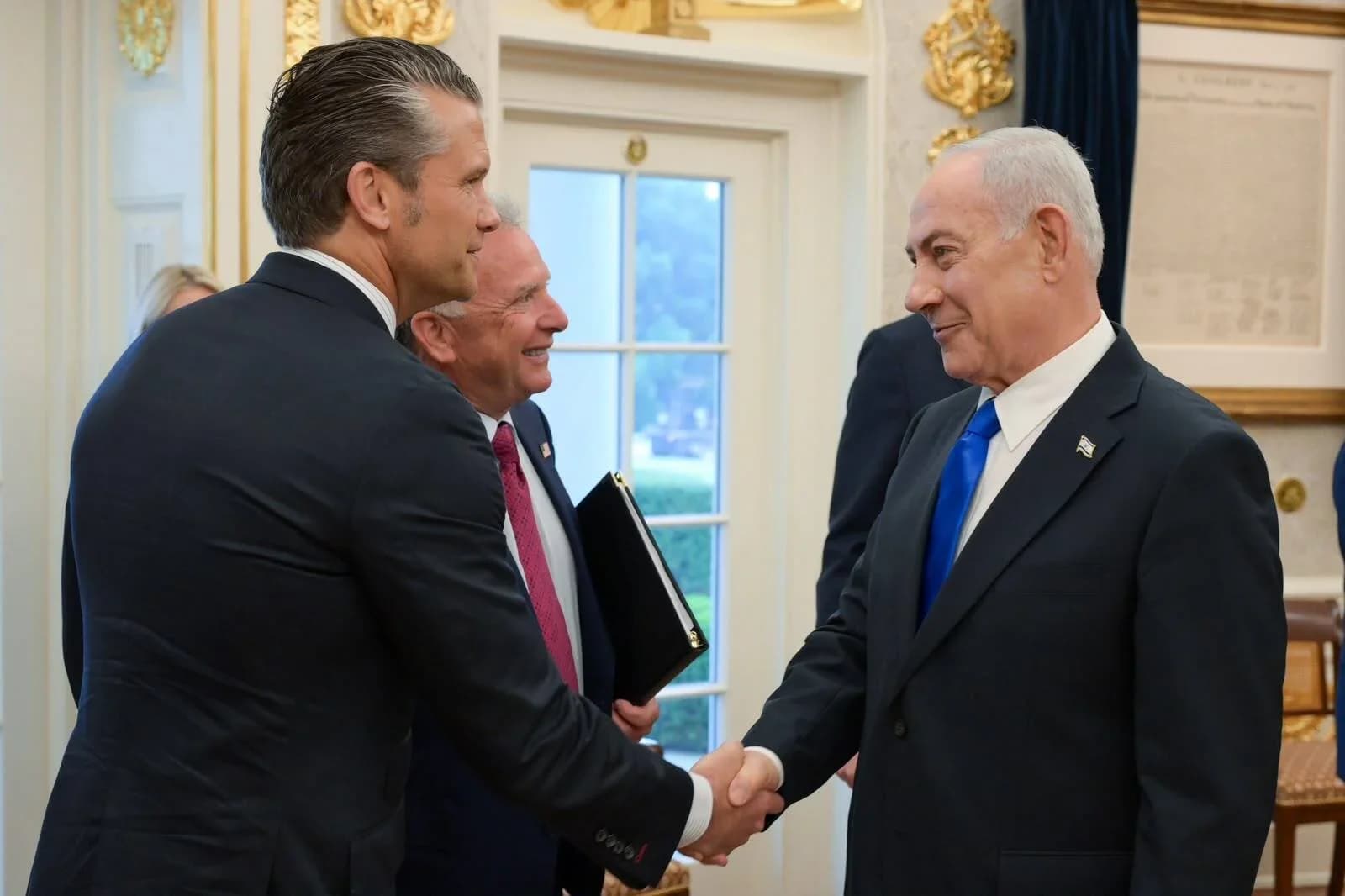

ERBIL, Kurdistan Region - US Defense Secretary Pete Hegseth met with Israeli Prime Minister Benjamin Netanyahu during an unannounced visit to Israel on Monday as Washington and Tel Aviv discuss the possibility of resuming major combat operations against Iran.
The visit, reported by Axios on Tuesday citing two sources familiar with the matter, comes eight days before Israel’s election and amid mounting uncertainty over the future of the US-Israeli war against Iran.
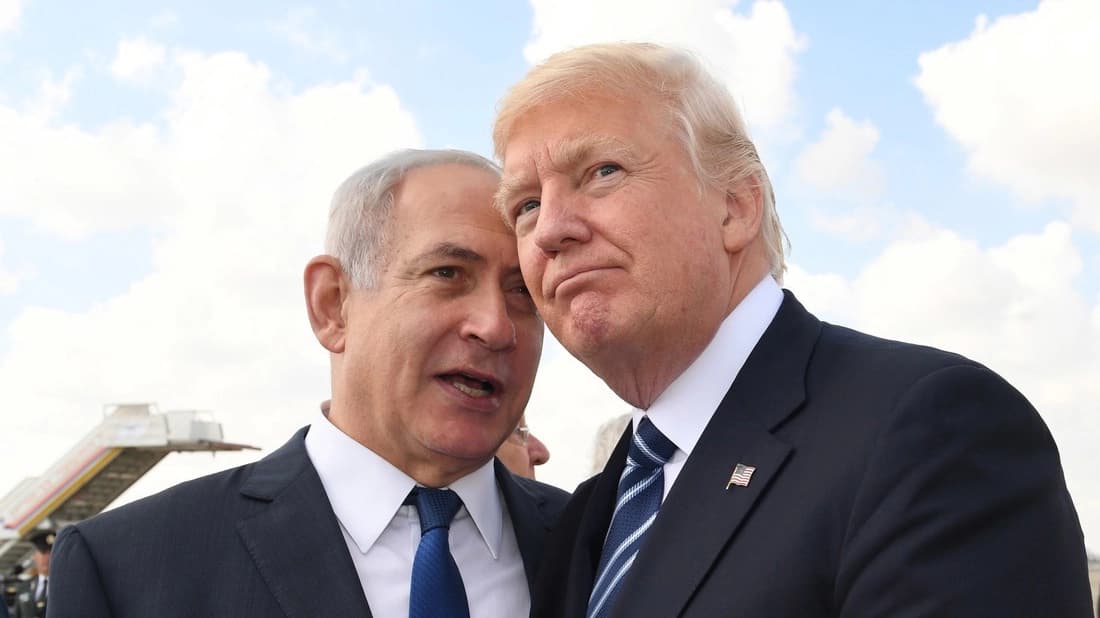
The meeting follows US President Donald Trump’s pledge of “complete and total endorsement” of Netanyahu’s reelection bid on Sunday, as he praised the Israeli premier as a key partner in confronting Tehran and warned that Washington could “finish the job” unless Iran changed course.
“Please let this Letter serve to represent my Complete and Total Endorsement of Bibi Netanyahu in his upcoming Race for Re-Election as Prime Minister of Israel,” Trump wrote on Truth Social, describing the Islamic Republic.
Netanyahu welcomed Trump’s backing, praising the US president’s “remarkable consistency” in the war against Iran, which began in late February with a joint US-Israeli air campaign that killed much of Iran’s political and military leadership, including Supreme Leader Ali Khamenei.
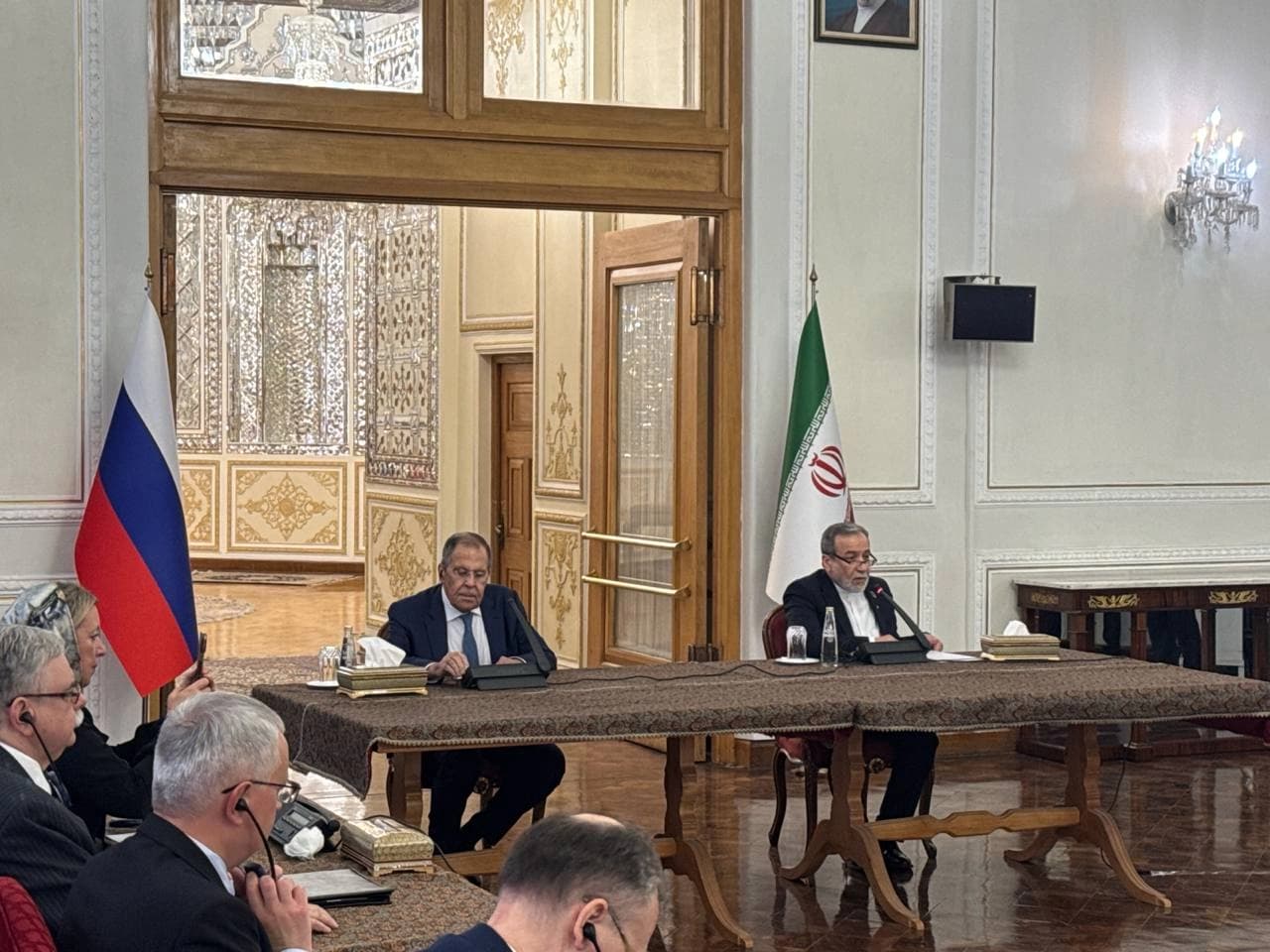
The meeting comes at a sensitive time for Iran as Islamic Revolutionary Guard Corps (IRGC) commanders and the new defense minister in Tehran warn the US and Israel about any new strikes on the beleaguered country.
Iran’s newly appointed Defence Minister Mehrdad Ekhlaghi Ketabchi held a meeting with IRGC Aerospace Force Commander Brigadier General Majid Mousavi on Monday to assess the force’s military requirements, Tasnim news agency reported. The meeting focused on reviewing the IRGC Aerospace Force’s stated needs in detail and aligning them with ongoing programmes at the Defence Ministry.
The IRGC Aerospace Force acts as the main tool of the regime in Tehran to confront Israel and the US and has fired thousands of missiles and drones at various countries in the region and American bases.
Iran has continued to assert its military capabilities amid the confrontation. Iranian state broadcaster IRIB reported on Tuesday that the country’s army air defense had shot down another US drone.
“Iranian Armed Forces: A few moments ago, the 54th MQ-9 drone was shot down in the skies of the Strait of Hormuz by Iran's Army air defense,” IRIB reported.
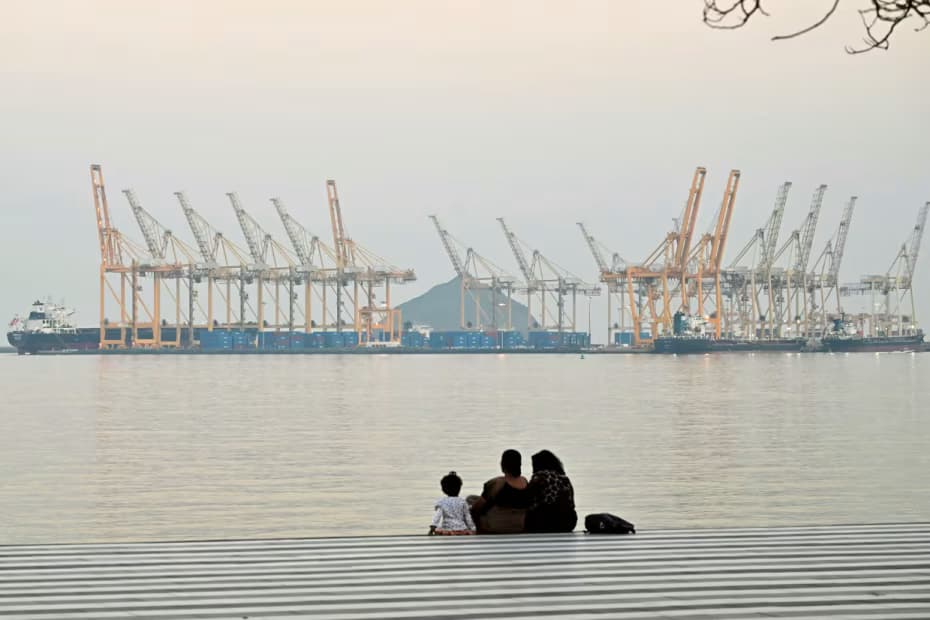
The strategic waterway has become a major flashpoint in the conflict. The US naval blockade of Iranian ports and restrictions on shipping through the strait have disrupted global oil flows, while Iranian forces have targeted vessels attempting to transit the corridor.
IRGC has intensified attacks on commercial ships in the Strait of Hormuz and the Persian Gulf in recent weeks. There were reports of several explosions in Bandar Abbas on Monday night, but the authorities have yet to confirm any attacks.
Trump has reiterated that Washington could end its military campaign without securing a broader agreement, arguing that Iran had been severely weakened and would no longer be able to develop nuclear weapons. Speaking at a campaign rally in Kansas on Monday night, he suggested the United States could withdraw from the conflict while maintaining that Tehran’s nuclear ambitions had been thwarted.
“Somebody said you could leave right now. It’s true. We could leave right now. They’re not going to have a nuclear weapon,” Trump said. He also expressed uncertainty over who could negotiate on behalf of Iran following the killing of senior officials in the US-Israeli campaign.
“I don’t know who the hell to negotiate with,” he said. “Their first level of leaders gone. Their second level of leaders gone. Their third level of leaders half gone.”
The regional security situation has also prompted fresh warnings for US citizens. The US Embassy in Baghdad urged Americans across the Middle East on Monday to remain vigilant, cautioning that escalating hostilities could trigger flight cancellations, airspace closures and other travel disruptions.
The embassy warned that “Iran and groups supportive of Iran may target other U.S. interests overseas or at locations associated with the United States and Americans throughout the world,” adding that hostilities involving Iran-backed Houthi forces could “escalate rapidly beyond that immediate area.”