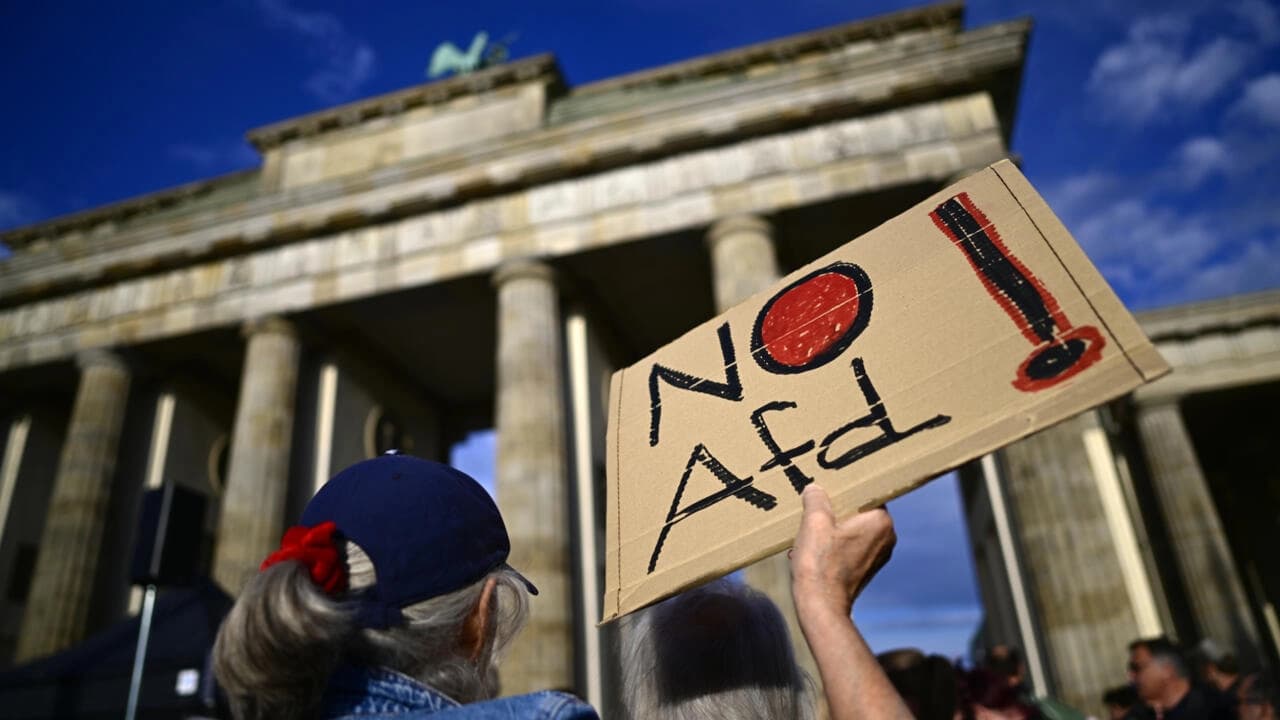

ERBIL, Kurdistan Region - Many Kurds in Germany have expressed mixed feelings ahead of nationwide youth-led demonstrations on Saturday, weighing the importance of the right to protest against fears of violence and a potential rise in anti-immigrant sentiment.
More than 160,000 people are expected to participate in demonstrations across many German cities, according to the organizers, GenZ-Regelt, which translates as “Gen Z takes charge.”
“We will no longer remain silent when decisions about our future are made without hearing our voices,” the organizing committee said in a joint statement. “We do not want policies that restrict young people’s rights. We want policies that invest in education, social security, health, the environment and a dignified life.”
Saturday’s demonstrations follow successive waves of youth-led protests across Europe this year, reflecting growing frustration over economic pressures, political representation and young people's prospects.
An organizer said young people needed to take action “if politicians take no steps, we must take the initiative ourselves.”
Concerns that demonstrations in Germany could descend into violence, as seen during protests in France, have prompted debate among Kurdish residents over the balance between exercising democratic rights and avoiding unrest that could fuel anti-immigrant sentiment.
Kurds of different ages spoke to Rudaw’s diaspora program on Friday ahead of Saturday’s demonstrations, expressing a range of views on the protests and their potential consequences.
Baris Yesil, a Kurdish lawyer in Germany, stressed that peaceful protest was a fundamental democratic right but must be exercised within legal limits.
“Everyone — German, Kurd, Arab or any other nationality — has the right to take part in demonstrations and gatherings and raise their voices,” he said.
Germany’s Basic Law guarantees the right to peaceful assembly, while Berlin police regulations generally require organizers to notify authorities in advance of outdoor demonstrations.
Concerns that the protests could mirror violent unrest in France have also prompted precautionary measures, with some German shops boarding up their premises.
Yesil said peaceful demonstrations would allow participants to express their views while exercising their constitutionally protected rights.
He urged young people who encounter problems with police, at school or in public places to seek legal assistance promptly, warning that assaults on police officers could carry serious legal consequences.
Students interviewed by Rudaw also voiced concerns about their prospects after graduation, citing employment difficulties, financial pressures and rising living costs.
Lava Ibrahim, a student at Bochum University, said graduates faced considerable pressure to find employment in Germany and elsewhere in Europe.
Other interviewees acknowledged economic difficulties but said Germany had not reached the level of widespread unrest witnessed in France.
Milan Amin, a 12th-grade student in Bochum, said Germany’s education system faced challenges, although he considered them less severe than those in some other European countries.
He stressed that demonstrations should remain peaceful.
“We do not support any demonstration that involves violence and vandalism,” he said.
Germany is home to one of Europe's largest Kurdish diaspora communities, established over several decades through successive waves of migration.
However, the rise of far-right parties and increasingly restrictive immigration policies have raised concerns among some Kurdish residents about their long-term security and residency status.
Two Kurdish residents interviewed by Rudaw expressed fears that far-right groups, including the Alternative for Germany (AfD), could exploit any unrest to reinforce anti-immigrant rhetoric and strengthen their political standing.
German authorities have also addressed concerns about potential violence during the demonstrations.
The federal government said security agencies had no specific information about calls for violence or planned violent incidents linked to the October 31 protests.
Berlin police said they were preparing for a major security operation, with around 1,500 additional officers expected to be deployed in the capital.