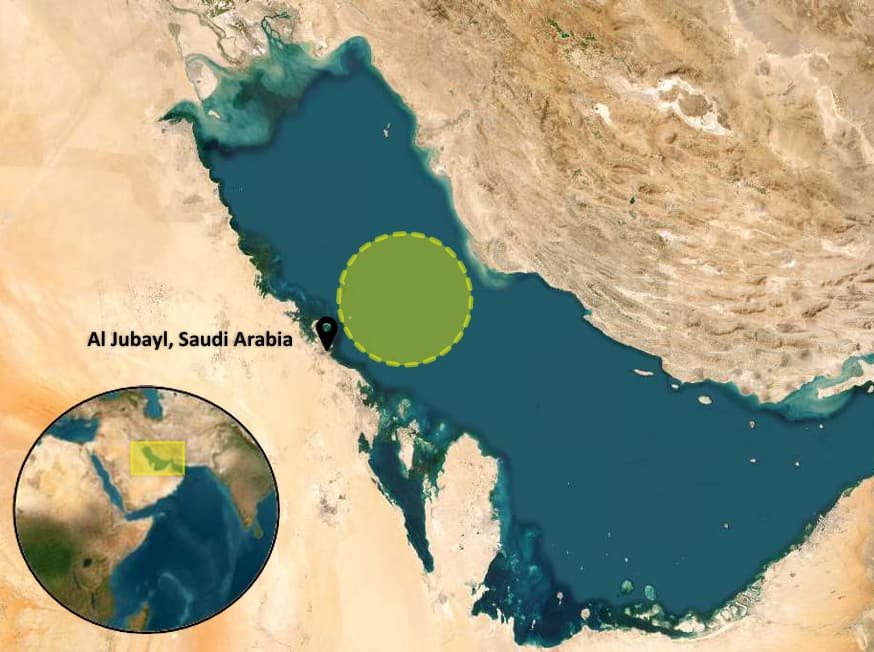
ERBIL, Kurdistan Region - The United States warned on Tuesday that it would respond with “overwhelming and devastating” force if Iran targets commercial shipping or American troops, as Washington advances a new maritime operation aimed at securing the Strait of Hormuz.
US Secretary of War Pete Hegseth told reporters that the initiative, dubbed “Project Freedom,” is designed to ensure the “free flow of commerce” through Hormuz - one of the world’s most critical waterways, through which roughly one-fifth of global seaborne oil passes.
“We’re not looking for a fight, but Iran cannot be allowed to obstruct international waterways or disrupt the movement of goods,” Hegseth said, describing Tehran as “the clear aggressor.”
“If you attack American troops or commercial shipping, you will face overwhelming and devastating American firepower,” he added.
The Strait of Hormuz was effectively closed during the six-week Iran war, which began on February 28 following a large-scale US and Israeli air campaign targeting over 17,000 sites across Iran.
In response to the campaign, Tehran carried out drone and missile strikes across the Middle East, targeting alleged US assets - particularly in Gulf Arab states - as well as launching retaliatory attacks against Israel.
A Pakistan-mediated ceasefire came into effect on April 8, halting active hostilities and opening the door for negotiations, though a comprehensive resolution has yet to be reached.
In parallel to the talks, Tehran and Washington have in recent weeks carried out tit-for-tat maritime restrictions in the Strait of Hormuz, where Iran has tightened controls on shipping, while the US has enforced naval measures targeting vessels linked to Iranian ports.
Hegseth’s remarks came a day after the US Central Command said on Monday its forces would begin supporting “Project Freedom,” under the direction of US President Donald Trump, to ensure “freedom of navigation for commercial shipping” through the Strait of Hormuz
The secretary of war detailed that naval forces have already escorted vessels through the Strait, demonstrating that “the lane is clear” despite Iran’s claims of control.
“They say they control the Strait. They do not,” he added, describing Project Freedom as “defensive in nature, focused in scope, and temporary in duration,” and emphasizing that US forces would not need to enter Iranian territory.
Speaking at the same press conference, Chairman of the Joint Chiefs of Staff Dan Caine said the operation was launched after weeks of escalating actions by Iran targeting maritime traffic in the Strait of Hormuz.
“Iran has repeatedly threatened and attacked commercial shipping in the strait in an effort to effectively cut off maritime traffic and disrupt the global economy,” he said, adding that “by obstructing one of the world’s most critical maritime chokepoints … Iran is weaponizing the global supply chain.”
Reporting that Tehran has since the April 8 ceasefire has fired on commercial vessels in the Strait of Hormuz at least nine times, seized two ships, and launched over ten attacks on US forces, Caine described the current level of conflict as “low harassing fire,” adding that it remains “below the threshold of restarting major combat operations.”
Iran has fired on commercial vessels transiting the Strait of Hormuz at least nine times, seized two ships, and launched more than 10 attacks on US forces since the April ceasefire came into effect. Despite this, Caine described the current level of conflict as “low harassing fire,” adding that it remains “below the threshold of restarting major combat operations.”
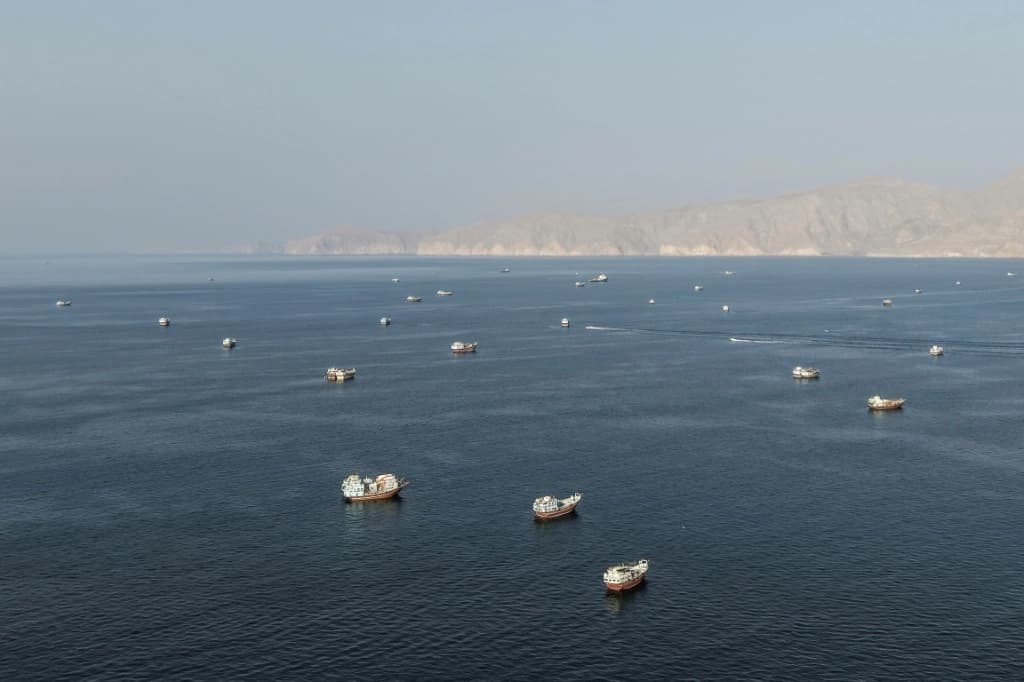
The Pentagon also revealed on Tuesday that more than 22,000 mariners aboard over 1,500 vessels remain effectively stranded in the region due to the heightened tensions.
For his part, Iranian Parliament Speaker Mohammad Bagher Ghalibaf, who is leading Tehran’s negotiating team with Washington, on Tuesday accused the US of breaching the Pakistan-mediated truce by escalating its military presence in the strategic waterway.
RELATED: Iran accuses US of violating ceasefire in Strait of Hormuz