NEW YORK - The share of the world's population living outside their country of birth has barely changed in a generation, according to a United Nations report released on Tuesday, a finding that runs counter to a decade of political messaging across Europe and North America that has cast migration as a runaway crisis.
International migrants make up about 3.7 percent of the global population, a proportion that has remained "broadly stable at around 3 percent over time," the International Organization for Migration (IOM) said in its World Migration Report 2026.
The number of people living outside their country of birth grew from just over 220 million in 2010 to about 304 million in 2024, according to UN data. But because the world's overall population also grew over the same period, that translates into a rise of roughly half a percentage point as a share of humanity, from 3.1 percent to 3.7 percent.
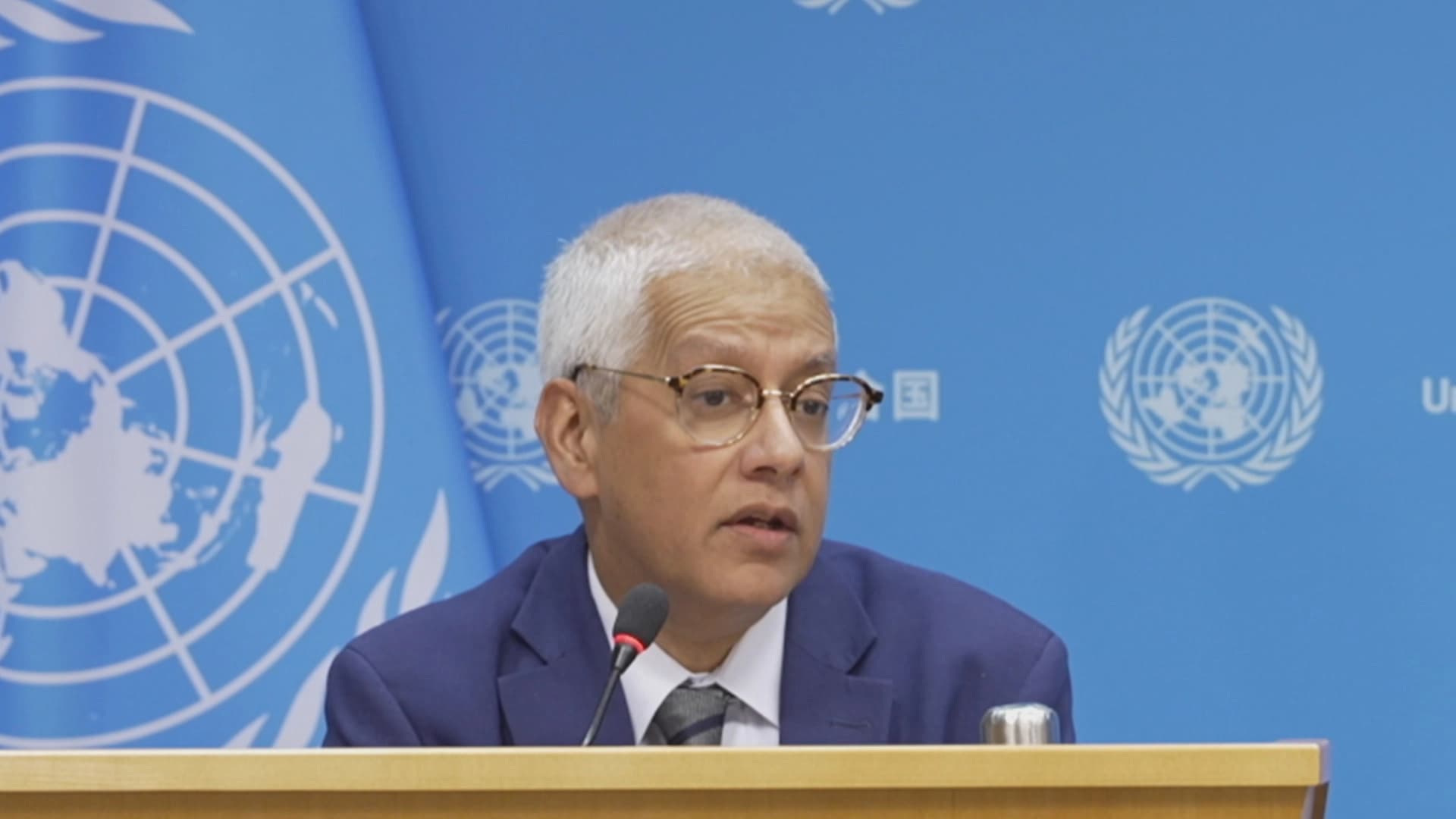
"Most people do not migrate, and migration remains the exception rather than the norm," IOM spokesperson Zoe Brennan told reporters at UN headquarters in New York.
The findings come as governments across Europe and the United States have tightened border controls, expanded deportation programs and narrowed legal pathways, frequently citing rising migration as justification. President Donald Trump's second administration has also expanded a series of agreements to deport migrants to third countries.
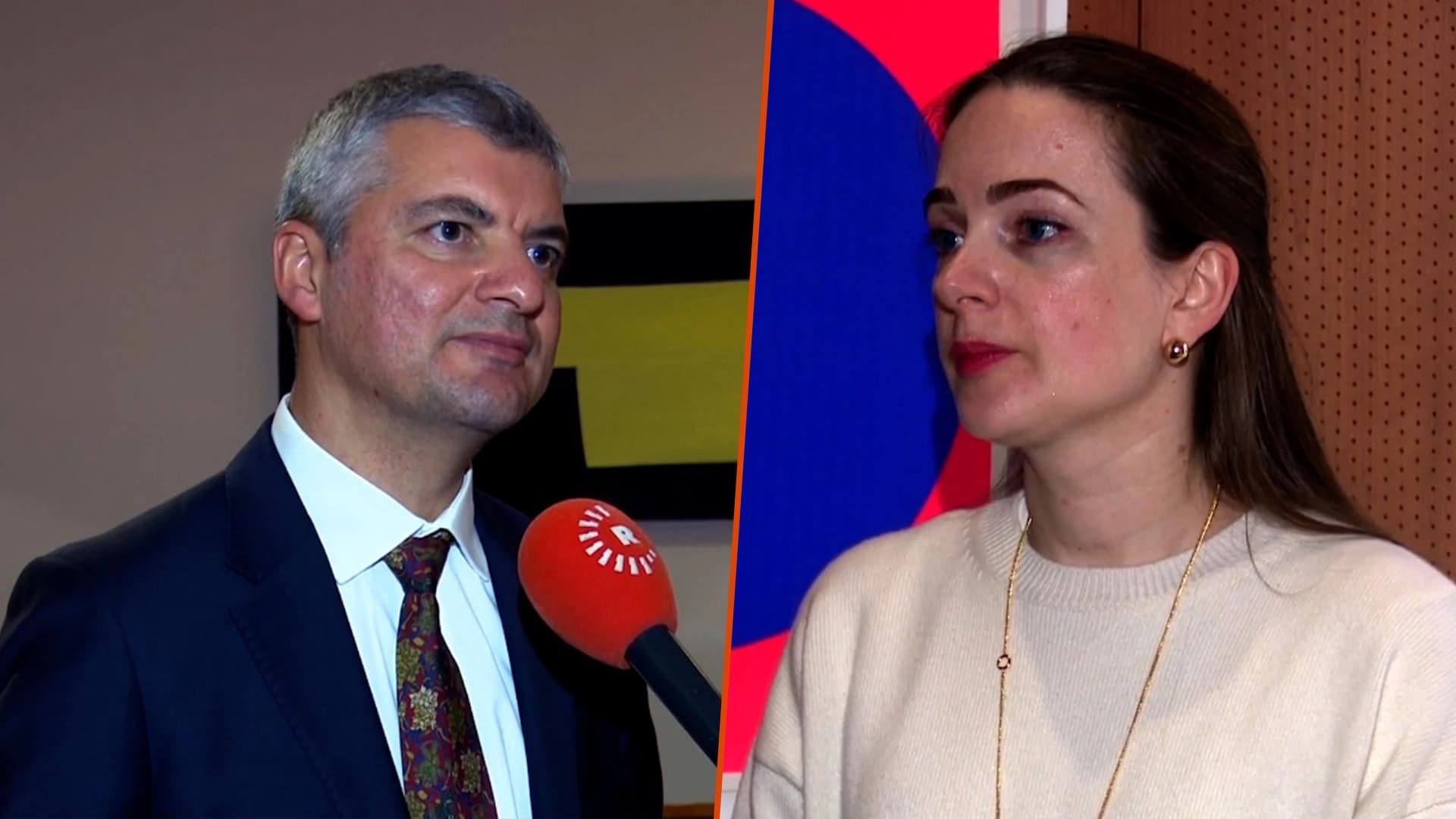
The report concluded that restrictive policies have not reduced migration significantly but redirected it onto more dangerous routes. On the central Mediterranean, one of the world's deadliest crossings, attempted journeys fell last year while the number of migrants who died or went missing doubled, said Stuart Russell Campo of the IOM research team.
"These routes are becoming more dangerous and treacherous," Russell Campo told Rudaw.
The report also found that 83.4 million people were internally displaced within their own countries by the end of 2024 — the highest figure on record — driven by conflict, violence and disasters. The vast majority of displaced people do not cross international borders, IOM said.
The launch coincided with the start of the second International Migration Review Forum at the UN General Assembly, where more than 130 member states are reviewing progress on the 2018 Global Compact for Safe, Orderly and Regular Migration, a non-binding cooperation framework.
"It is rarely a crisis," said Jonathan Prentice, head of the UN Network on Migration. "The overwhelming majority of migration proceeds through pathways that are entirely legitimate and entirely safe."
IOM officials said the report's data, drawn from UN Department of Economic and Social Affairs figures released in January 2025, reflect the situation as of mid-2024 and do not capture the most recent shifts in migration policy. Officials declined to comment in detail on specific US policies, including third-country deportation deals.
The agency said it would publish an updated fact-checker's toolkit later this year aimed at journalists and policymakers, part of what it described as an effort to ground public debate in evidence rather than perception. The General Assembly's review concludes on Friday.