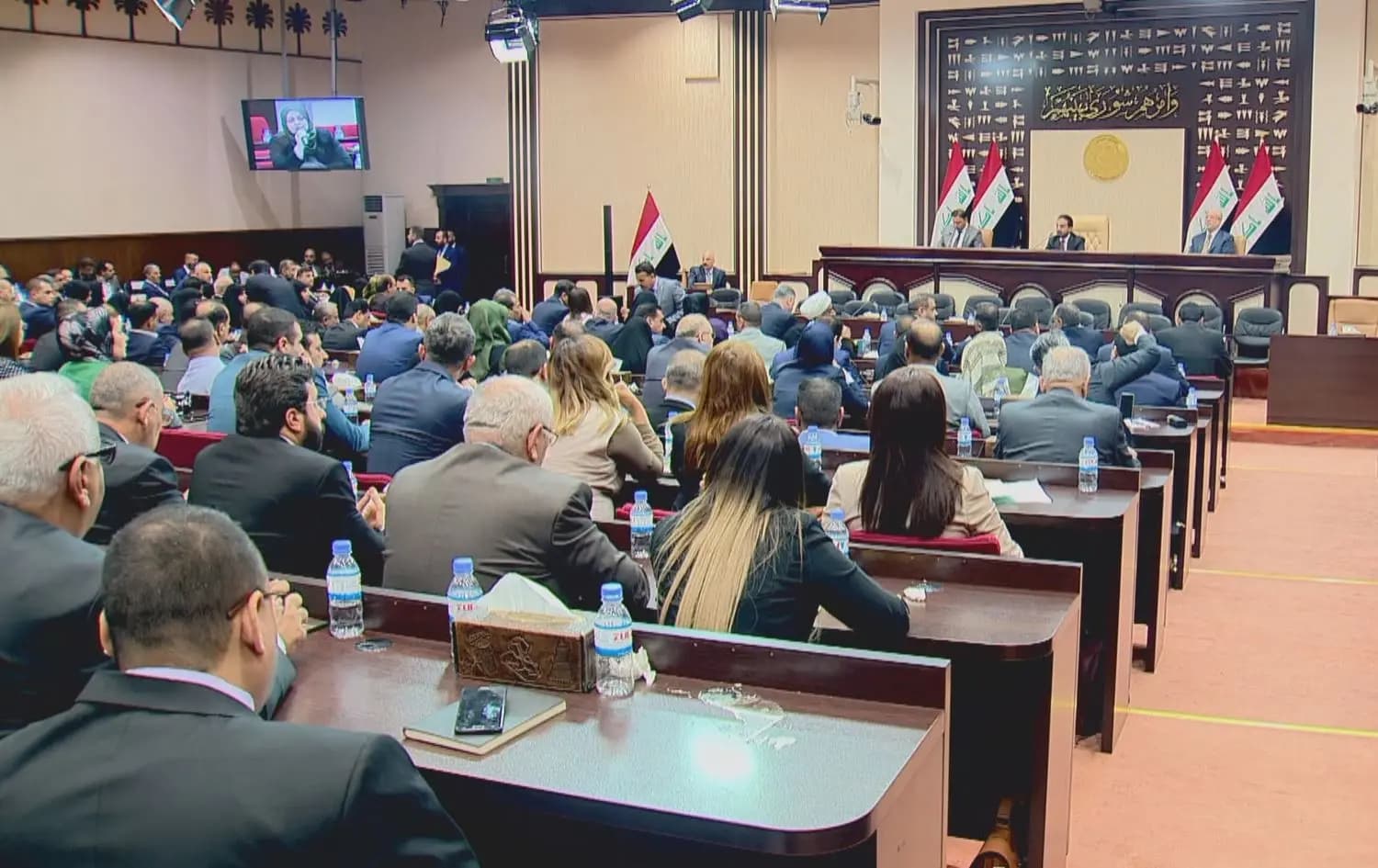

ERBIL, Kurdistan Region - The head of former Iraqi premier Mohammed Shia al-Sudani’s Reconstruction and Development Coalition’s (RDC) bloc said Tuesday that it is resuming parliamentary sessions after lawmaker Yousef al-Kalabi was referred by the legislature to a disciplinary committee over demeaning statements against the bloc’s leadership.
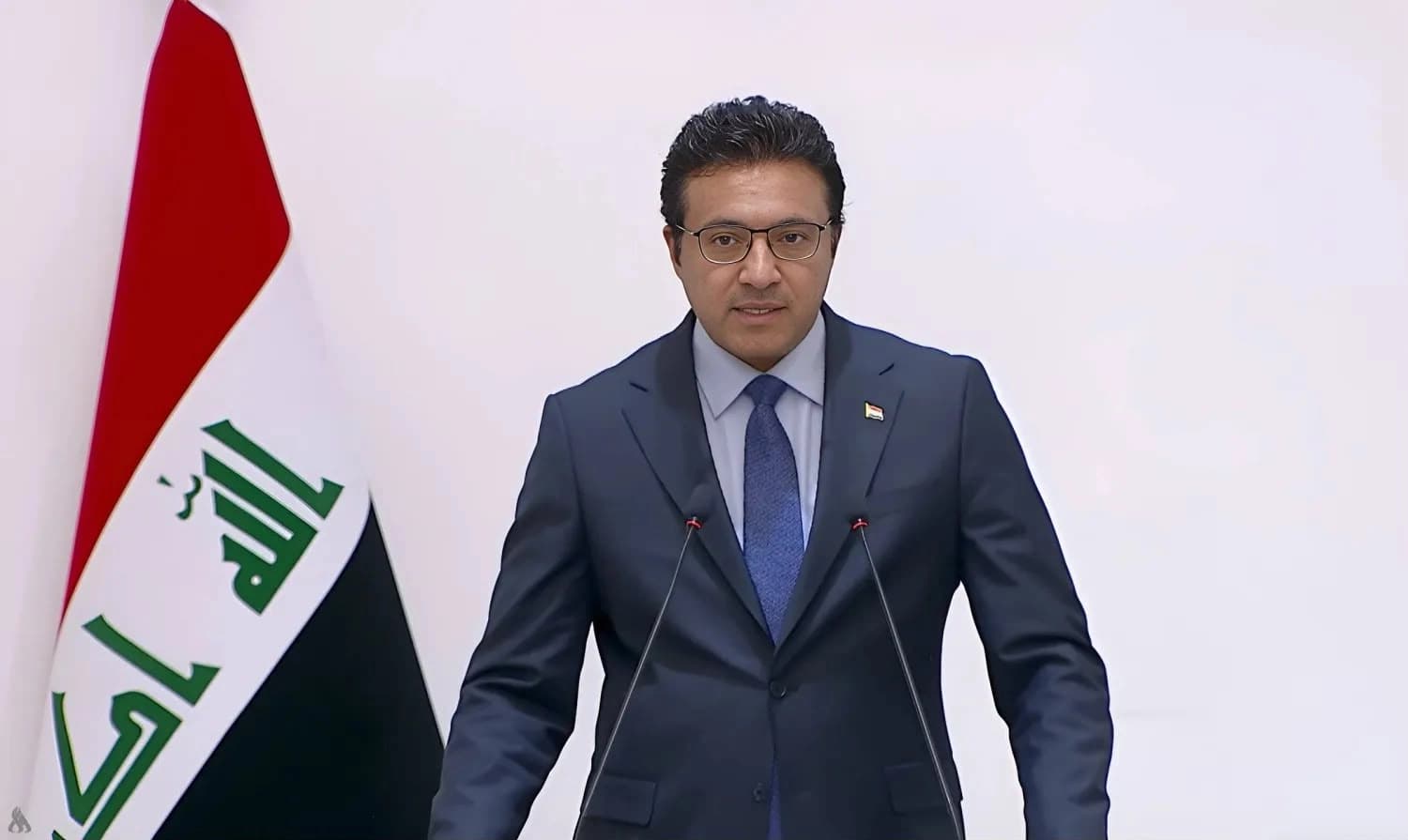
The RDC announced their return to the parliament following “the approval of Parliament Speaker Haibat al-Halbousi to refer the offending” Kalabi "to the ethics committee for legal action,” Bahaa al-Arajy said in a statement shared by the coalition.
The coalition shared an official request dated October 8, in which they enclosed “a CD” containing “explicit insults, transgressions, and false allegations” against Sudani by Kalabi, the letter reads, accusing the lawmaker of attempting to carve out “personal gains” on the account of insulting “the state and its institutions.”
The letter bears Halbousi’s handwritten order to refer the lawmaker in question to the ethics committee.
Led by Sudani, the RDC announced Monday that it would suspend participation in parliament meetings, citing “systematic abuses and irresponsible behavior” of a lawmaker, without mentioning the name.
Kalabi is a lawmaker from the State of Law Coalition, which is led by the former Iraqi premier Nouri al-Maliki (2006-2014). He previously served as the spokesperson of the state-funded Popular Mobilization Forces.
Videos on social media have recently shown him accusing Sudani of corruption and demanding his referral to the court.
In one of the videos recorded in the parliament chamber, he said the bloc must “hold the former government [led by Sudani (2022-2026)] accountable, which drowned Iraq in debts amounting to 210 trillion dinars ($139 billion) as well as committing corruption and looting. We cannot resolve the problems unless the corrupt former prime minister is held accountable.”
The video was shared on October 7, one day before the RDC sent a request to the parliament’s presidential board demanding disciplinary actions against Kalabi.
Kalabi was quoted earlier in October by the state-run Iraqi News Agency (INA) saying that the current government, led by Prime Minister Ali al-Zaidi, has “inherited” massive loans from its predecessor.
“The al-Sudani government handed the current government outstanding debts amounting to nearly 210 trillion dinars,” he said.
Iraq’s domestic debt reached an all-time high of more than 103 trillion Iraqi dinars ($78.7 billion) in the first half of 2026, marking a dramatic surge from 32.1 trillion dinars recorded in 2015, according to Central Bank of Iraq (CBI) data published in July 2026.
In a statement to Rudaw after the release of the report, Mudhir Mahammad Salih, financial advisor to Zaidi, explained at the time “nearly 95 percent of these debts are still held by the government banking system," noting that this structure insulates the broader economy from risks common in private market borrowing.
Salih further explained that the CBI holds over 60 percent of this debt on its balance sheet while actively working to absorb excess liquidity to maintain currency stability, emphasizing that the government aims to manage this burden "by exchanging a portion of the debt for productive government assets" to boost revenues and gradually lower public debt.
He also said the surge in the loans coincided with the dropping of Iraqi oil exports earlier this year due to the restrictions in and around the Strait of Hormuz, a strategic waterway which has emerged as a flashpoint between Iran and the US since the outbreak of their conflict in late February and their subsequent clashes.
But recently the government announced that they have nearly restored pre-war export levels which averaged 3.4 million barrels a day.