ERBIL, Kurdistan Region - The Middle East is being "pulled deeper into crisis," the United Nations chief warned on Wednesday, cautioning that the consequences could extend far beyond the region. Antonio Guterres’ remarks come ahead of an anticipated escalation after US President Donald Trump said his country’s forces would strike Iran again following an exchange of fire between the two countries earlier in the day.
Addressing the UN Security Council (UNSC), Guterres said, "The Middle East is being pulled deeper into crisis… and the consequences reach far beyond the region."
Noting that "this week has brought wider attacks and further deterioration," the UN chief said he was "profoundly concerned" that the situation “could trigger a full resumption of conflict.”
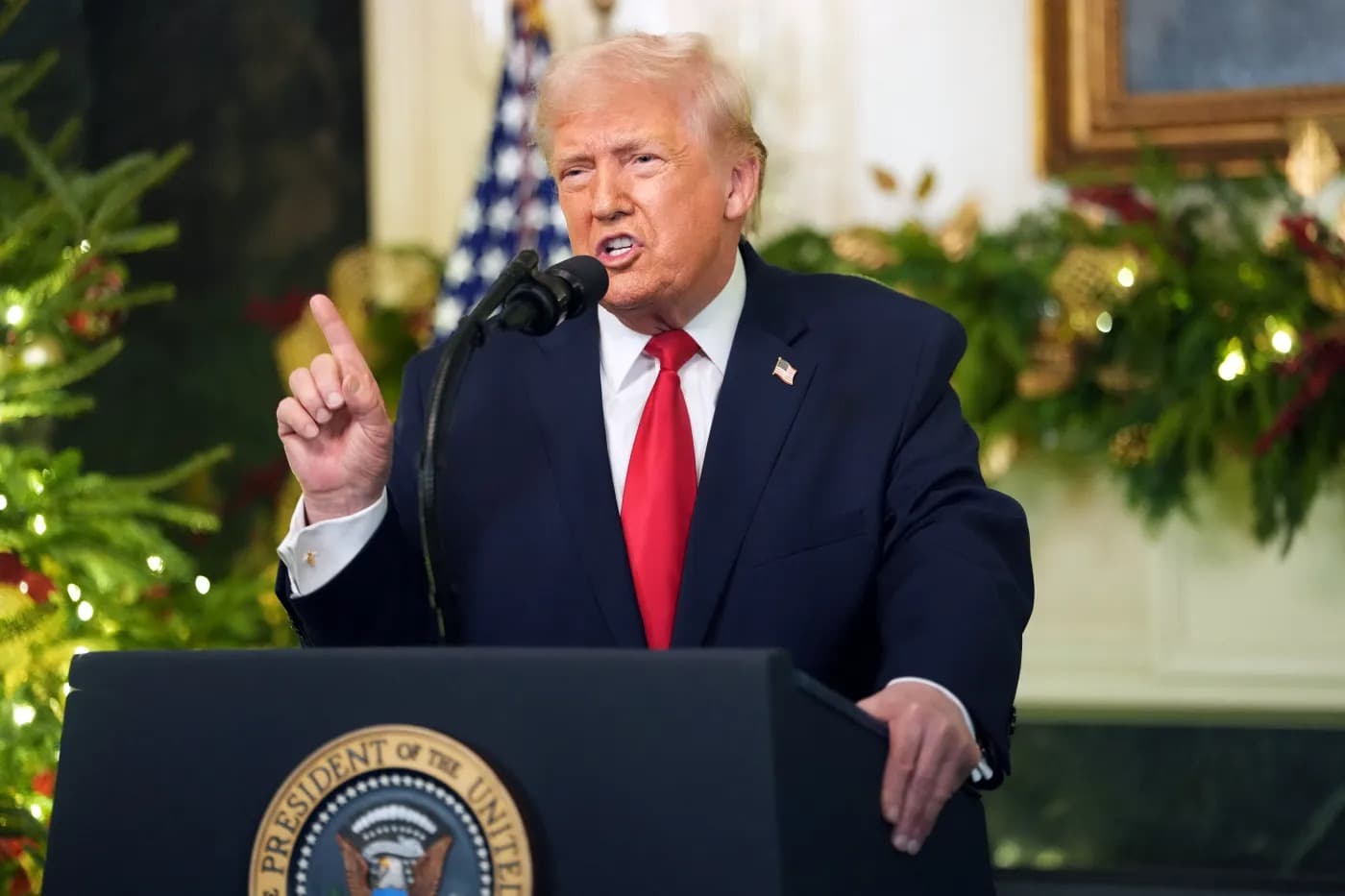
His comments followed President Trump's announcement on Wednesday that US forces would launch additional strikes against Iran after both sides exchanged missile attacks on dozens of targets earlier in the morning.
"We hit them hard yesterday, and we're going to hit them again hard today," Trump said. He added that Iranian forces had "shot at our helicopter," but that the two crew members aboard were rescued and were "fortunately okay."
US Central Command (CENTCOM) said on Wednesday that its forces had “struck Iranian air defense systems, ground control stations, and surveillance radar sites near the Strait of Hormuz using precision-guided munitions” launched by US Air Force and Navy fighter jets.
The operation was described as "a proportional response to recent attacks on U.S. forces and international commercial ships transiting regional waters," CENTCOM said.
Meanwhile, Iran's Islamic Revolutionary Guard Corps (IRGC) said in a statement that it had targeted at least 21 alleged US sites in Bahrain, Kuwait, and Jordan during the early hours of Wednesday, using long-range solid-fuel missiles.
For his part, the UN chief warned that the ongoing escalation was reverberating "across borders and continents."
Guterres further highlighted disruptions to maritime traffic in regional waters, saying that "restrictions on navigational rights and freedoms in and around the Strait of Hormuz are causing hardship and instability across the world." The resulting economic and security shocks, he added, "will be felt for many months" to come.
The escalation comes as Washington and Tehran have yet to reach a comprehensive resolution to the Iran war.
The US and Israel in late February launched a large-scale aerial campaign against Iran, striking thousands of targets across the country over six weeks of hostilities, before the warring sides agreed to a Pakistan-mediated ceasefire on April 8, halting fighting to allow space for talks.
While the first round of talks concluded without a final agreement on April 11, a second round has yet to take place.
The UN secretary-general stressed on Wednesday that "the world needs to see a complete ceasefire" and called for serious negotiations on nuclear issues to ensure that Iran's nuclear programme remains exclusively peaceful.